The Simple Guide to Wine Glasses
Wine has a funny way of rewarding small details. You can open the same bottle on two different nights, pour it into two different glasses, and genuinely feel as if you are drinking two different wines. That is not marketing magic, it is simple physics and human biology working together.
A wine glass is, in effect, a tool for managing aroma, temperature, and how the liquid lands on your palate. Shape influences how quickly a wine picks up oxygen, how concentrated its aromas feel, and whether you taste fruit, oak, spice or tannin first. That is why the “right” glass can make a wine seem more open, smoother, more perfumed, or simply more balanced.
The good news is you do not need a cupboard full of specialist stems to enjoy wine properly. A small, sensible set will cover almost everything, and the more specific shapes are best thought of as fine-tuning. This guide explains the logic behind each style so you can make confident choices by region and grape variety, and understand what is happening in the glass.
The Basics
A wine glass is made up of three parts:
- Base (or foot): Keeps the glass stable.
- Stem: Gives you something to hold without warming the bowl.
- Bowl: The working part of the glass, where the aroma and flavour are shaped.
Why the bowl matters most
Most of what we call “taste” is actually smell. The bowl shape controls how aromas collect and travel to your nose. It also affects oxygen contact, which can soften tannins in red wine and help certain aromas emerge, while potentially muting the freshest notes in delicate whites if the bowl is too wide.
Fill level and swirling
As a rule, pour only up to the widest part of the bowl. That gives the wine enough surface area to breathe and enough space to swirl without decorating your carpet. Swirling is not theatre; it helps volatile aroma compounds lift out of the wine and reach your nose.
Rim diameter and where the wine lands
A wider opening tends to deliver wine more broadly across the palate, which can make fuller wines feel generous. A narrower opening can focus the flow and aromas, often helping aromatic whites or spicy reds feel more precise.
Temperature and stemless glasses
Stemless designs look modern and can be practical, but holding the bowl will warm the wine more quickly, especially with whites and sparkling. If you love stemless, consider pouring smaller amounts more often, or keep the bottle cooler.
One great shortcut if you want to keep it simple
If you only own two styles, choose:
- A universal red (medium-large bowl with a gentle taper)
- A universal white (smaller bowl, slightly narrower rim)
That pairing will work well with most wines. The glasses below explain how to get even more from specific styles.
Red Wine Glasses
Red wines generally benefit from more bowl volume because oxygen can help them “open up”, releasing aroma and softening tannin. The difference between red glass types is mostly about how much air the wine gets, and how the rim concentrates aroma and controls the sip.
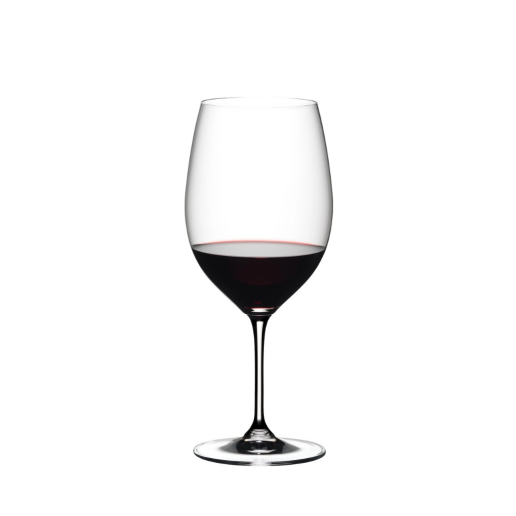
Bordeaux / Cabernet Sauvignon / Merlot
Best glass style: Tall glass with a large bowl and a gently tapered rim.
Why it works: Bordeaux-style reds, and many Cabernet and Merlot-based wines, often carry a combination of dark fruit, structure, and noticeable tannin. A tall bowl gives the wine room to breathe and pushes aromas upwards, while a slight taper helps concentrate those aromas as you smell.
This shape also helps high-alcohol wines feel smoother. When there is enough space above the wine, ethanol vapours disperse more easily, so you notice fruit, cedar, cassis and spice rather than just heat.
What you will notice in the right glass:
- Softer tannin impression
- More lift in blackcurrant and plum aromas
- A smoother, more “put together” finish
Practical tip: If your Bordeaux glass feels too large, pour a little less than you think you need. These wines benefit from headspace.
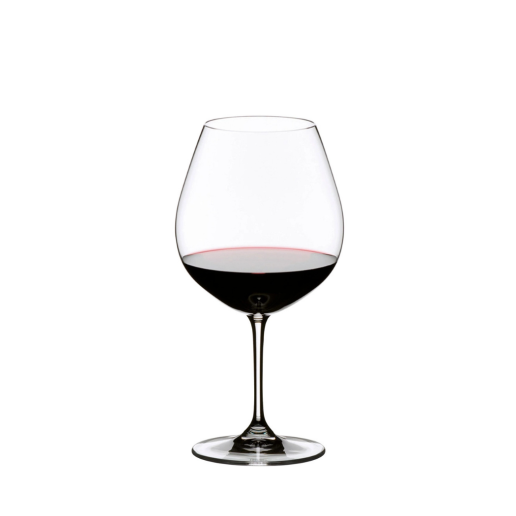
Burgundy / Pinot Noir
Best glass style: Wide, generous bowl with a noticeable taper towards a smaller opening.
Why it works: Pinot Noir is famously aromatic and textural rather than brute-force powerful. It can show red fruit, florals, earthy notes, and subtle spice, all of which can disappear if the glass is too narrow.
A wide bowl increases surface area, which encourages aromatic release. The tighter rim then gathers those delicate aromas, so they arrive as a focused “bouquet” rather than drifting away. This is also one of the best shapes for highlighting silky texture and making Pinot feel more expressive.
What you will notice in the right glass:
- More perfume, florals and fresh red fruit
- Better definition of subtle earthy notes
- A silkier, more layered mouthfeel
Practical tip: This glass can also flatter lighter-bodied reds that you want to feel more aromatic, including some Grenache-based wines or elegant Nebbiolo.
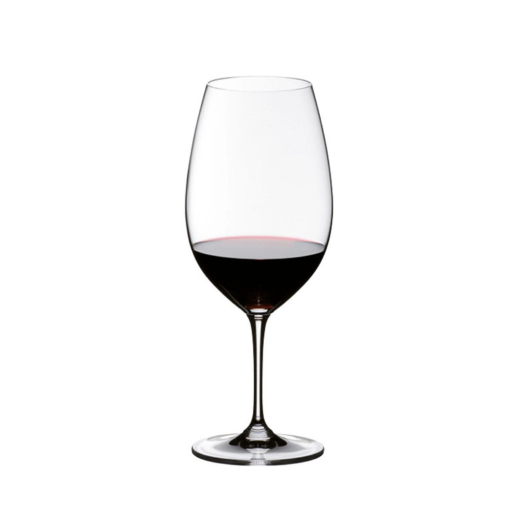
Syrah / Shiraz / Malbec / Sangiovese
Best glass style: Medium-large bowl with a more pronounced taper and a slightly smaller opening than a Bordeaux glass.
Why it works: These wines often combine fruit with spice and structure. Syrah and Shiraz can be peppery and smoky, Malbec can be dark-fruited and plush with tannin, and Sangiovese can be bright with savoury edges and drying tannin.
A slightly smaller opening helps focus the aromatics, especially spice notes, while the taper moderates how quickly the wine hits your palate. That can make tannin feel more polished and prevent the wine from tasting angular.
What you will notice in the right glass:
- Pepper, violet and savoury notes feel clearer
- Tannins feel steadier and less drying
- The wine seems more balanced between fruit and structure
Practical tip: If you find a wine from this group tastes a bit aggressive, try the more tapered glass before you assume it needs hours of air.
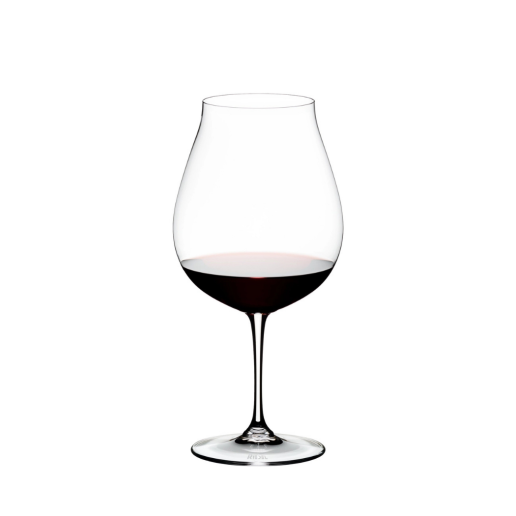
New World Pinot Noir / Barolo
Best glass style: A large, aromatic red glass with a generous bowl and a tapered rim.
Why it works: This pairing looks unusual at first glance, but both wines sit in that sweet spot where aroma and structure are equally important. New World Pinot Noir can be riper and more powerful than its Old World counterparts, while Barolo is famously aromatic but also firmly tannic.
A generous bowl gives both wines the oxygen contact and surface area they need to release perfume and texture, while the tapered rim keeps everything focused so Pinot does not drift into overly sweet fruit, and Barolo does not arrive as a wall of tannin.
What you will notice in the right glass:
- Aromas feel more complex and layered, rather than simply “strong”
- The palate feels smoother and more controlled
- The finish gains length and nuance, especially with Barolo
Practical tip: If your only option is a Bordeaux glass, it will work in a pinch, particularly for Barolo, but you may lose some of the perfume and fine detail.
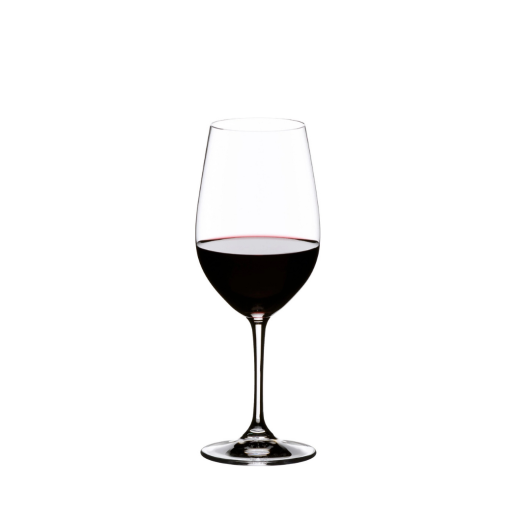
Zinfandel / Grenache / Tempranillo
Best glass style: Medium bowl with a fairly open rim, less severe taper than a Syrah-style glass.
Why it works: These wines often present generous fruit and warming alcohol, sometimes with sweet spice, and they can swing between plush and peppery depending on the producer and region. A glass that is too narrow can make them feel tight and overly alcoholic, while a very wide glass can make the fruit feel jammy.
A medium bowl with a more open rim helps fruit feel expressive and keeps the palate feel broad, which is often what you want with these styles. Tempranillo, especially with oak influence, benefits from a little space to let vanilla, tobacco and leather notes emerge.
What you will notice in the right glass:
- Fruit feels brighter rather than heavy
- Spice notes come through without dominating
- Alcohol feels better balanced by aroma and texture
Practical tip: This is a very handy “all-rounder” for modern, fruit-driven reds and is often the most forgiving shape at the dinner table.
White Wine Glasses
White wines generally suit smaller bowls. Their aromatics can be delicate, and they are usually served cooler, so the goal is to preserve freshness while still giving enough room for aroma.
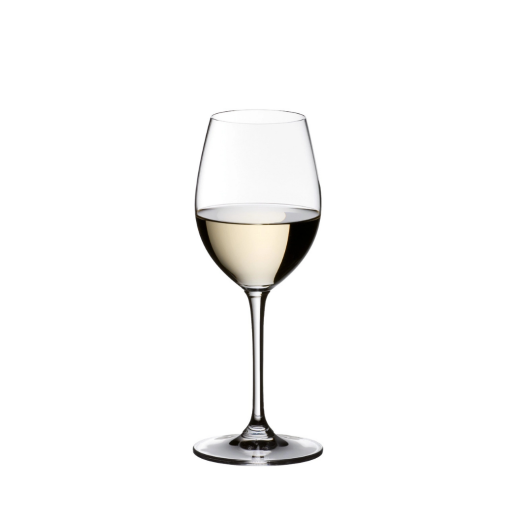
Sauvignon Blanc
Best glass style: Smaller bowl with a narrower opening and a longer stem.
Why it works: Sauvignon Blanc often leans on high-aroma compounds and fresh acidity. A narrower bowl helps concentrate those lifted aromatics, while limiting oxygen contact that could soften the wine’s crispness too quickly. The longer stem helps keep the wine cool in the glass.
What you will notice in the right glass:
- Cleaner aromas, more citrus and herbs
- A crisper, more precise palate
- Less sense of warmth or softness
Practical tip: If you enjoy very cold Sauvignon Blanc, pour smaller amounts more often so the last sip tastes like the first.
Chardonnay
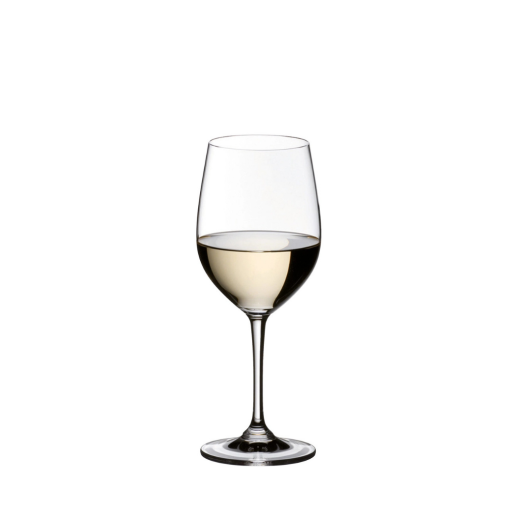
Best glass style: Medium bowl, slightly wider than a Sauvignon glass, with a gentle taper.
Why it works: Chardonnay’s style varies wildly, from lean and mineral to rich and creamy. A medium bowl gives enough space for texture and aroma to develop without pushing the wine into “too warm, too broad” territory.
This shape helps balanced Chardonnays show both fruit and structure, especially when there is some oak or lees ageing, but not an overwhelming amount.
What you will notice in the right glass:
- Better sense of shape and texture
- Fruit feels rounder and more complete
- Oak, if present, integrates more smoothly
Practical tip: If the Chardonnay is very lean and unoaked, a Sauvignon-style glass can make it feel even fresher and more linear.
Montrachet / Oaked Chardonnay
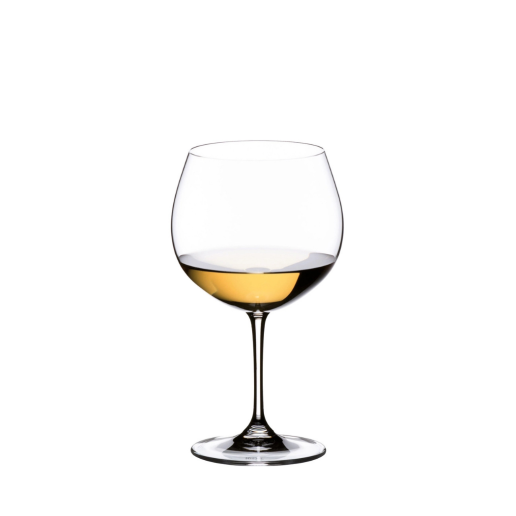
Best glass style: Larger white wine bowl, wider and more open, often approaching a small Burgundy shape.
Why it works: Full-bodied, oak-influenced Chardonnay can carry layers of aroma: ripe fruit, butter, toast, nuts, vanilla, spice, sometimes even smoky notes. A larger bowl increases oxygen contact and surface area, which helps those complex aromas lift and unfurl.
This is also about mouthfeel. Rich whites can feel tight or heavy in a small glass. A larger bowl makes them feel more expansive and balanced, allowing freshness and minerality to show alongside richness.
What you will notice in the right glass:
- More aromatic complexity and less “oak dominance”
- A creamier texture that still feels fresh
- Longer finish with more savoury detail
Practical tip: If you find a big oaked Chardonnay feels too buttery, a slightly more tapered bowl can rein it in and bring back tension.
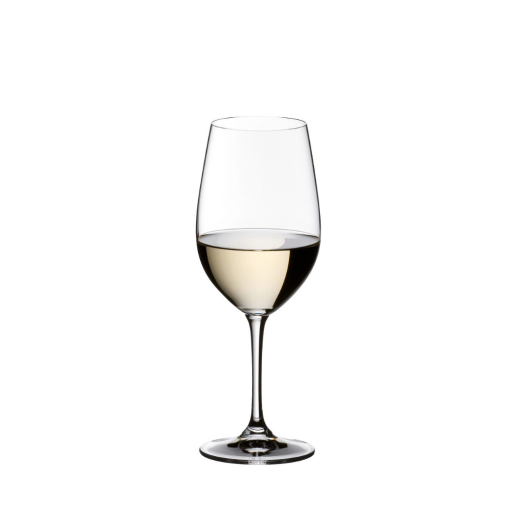
Riesling / Grüner Veltliner / Albariño
Best glass style: Smaller-to-medium bowl with a narrow rim and noticeable taper.
Why it works: These wines are often aromatic, high in acidity, and defined by precision. Riesling can be floral and citrus-driven, Grüner often shows peppery, herbal notes with texture, and Albariño leans into stone fruit, citrus zest and saline freshness.
A tapered rim concentrates those aromatics and keeps the palate feeling focused and energetic. The bowl does not need to be large, but it should not be tiny either, as some examples, especially Grüner, benefit from a little space to show texture.
What you will notice in the right glass:
- Brighter aromatics and clearer definition
- Acidity feels refreshing rather than sharp
- More detail in floral, mineral, and spice notes
Practical tip: This is one of the most versatile white wine shapes. If you want a single white glass to cover your bases, start here.
Sparkling, Fortified and Sweet Wine Glasses
These styles have their own priorities: preserving bubbles, controlling intensity, and managing sweetness and alcohol.
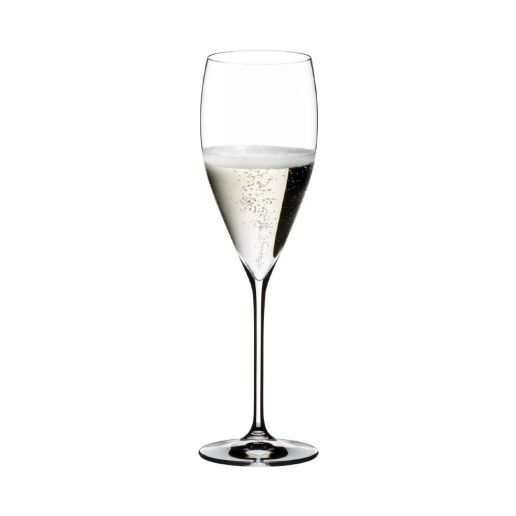
Champagne / Prosecco / Cava
Best glass style: A tulip-shaped sparkling glass, or a modern flute with a slight curve and a little bowl volume.
Why it works: The traditional straight flute is good at preserving bubbles, but it can limit aroma, especially for complex sparkling wines. A tulip shape offers a compromise: it keeps a focused stream of bubbles while allowing enough surface area for aroma to develop.
This matters most for Champagne and higher-quality traditional-method sparkling wines, where aroma and texture are a big part of the experience. For lighter, fruitier sparkling wines, a flute still does a fine job.
What you will notice in the right glass:
- More aroma, especially brioche, citrus and orchard fruit
- Bubbles feel finer and more integrated
- Better sense of texture and length
Practical tip: Avoid wide coupe-style glasses if your priority is bubbles. They look great, but the fizz will fade faster.
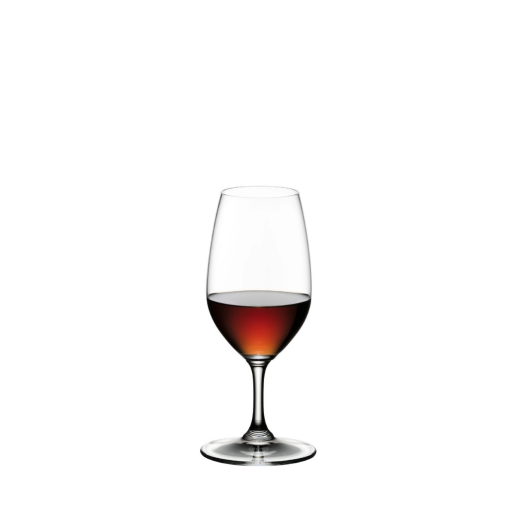
Port / Sherry
Best glass style: Smaller bowl with a pronounced taper, often served in a dedicated fortified wine glass.
Why it works: Fortified wines carry more alcohol and intense flavour, and they are typically served in smaller pours. A smaller glass helps keep the experience balanced, while the tapered rim focuses aromas and moderates the flow onto the palate.
For Port, this helps manage sweetness and richness, so you still get lift and structure. For Sherry, especially more aromatic styles, concentrating aroma helps you appreciate nutty, saline, and savoury notes without the alcohol taking centre stage.
What you will notice in the right glass:
- Aromas feel focused rather than overpowering
- The wine tastes smoother and more controlled
- Sweetness and alcohol feel better balanced
Practical tip: If you do not have fortified glasses, a small white wine glass can work. Just keep pours modest.
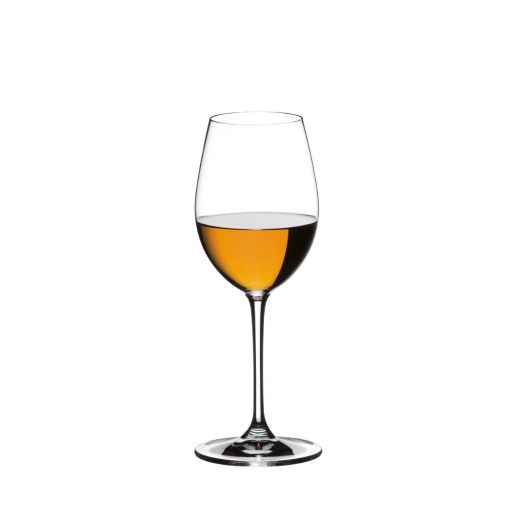
Sauternes
Best glass style: Small-to-medium dessert wine glass with a tapered rim.
Why it works: Sweet wines are all about balance. You want the honeyed, apricot, marmalade and spice notes, but you also want freshness and acidity to keep the wine lively. A smaller bowl concentrates aroma, while the tapered rim helps prevent sweetness from feeling cloying by delivering the wine in a more controlled sip.
Sauternes in particular can be deeply aromatic, so the goal is intensity without fatigue.
What you will notice in the right glass:
- Sweeter aromas feel more refined and layered
- Acidity shows up more clearly
- The finish feels longer, cleaner, and less heavy
Practical tip: Serve slightly cooler than you might think. The right glass helps, but temperature is still a major factor in keeping sweetness fresh.
Before you Top Up
Remember that glassware is less about rules and more about getting the most out of what’s already in the bottle. The right shape helps a wine show its aroma, texture and balance more clearly, but it should never get in the way of simply enjoying a good glass.
If you have a small set of versatile options and understand why they work, you’re already most of the way there!
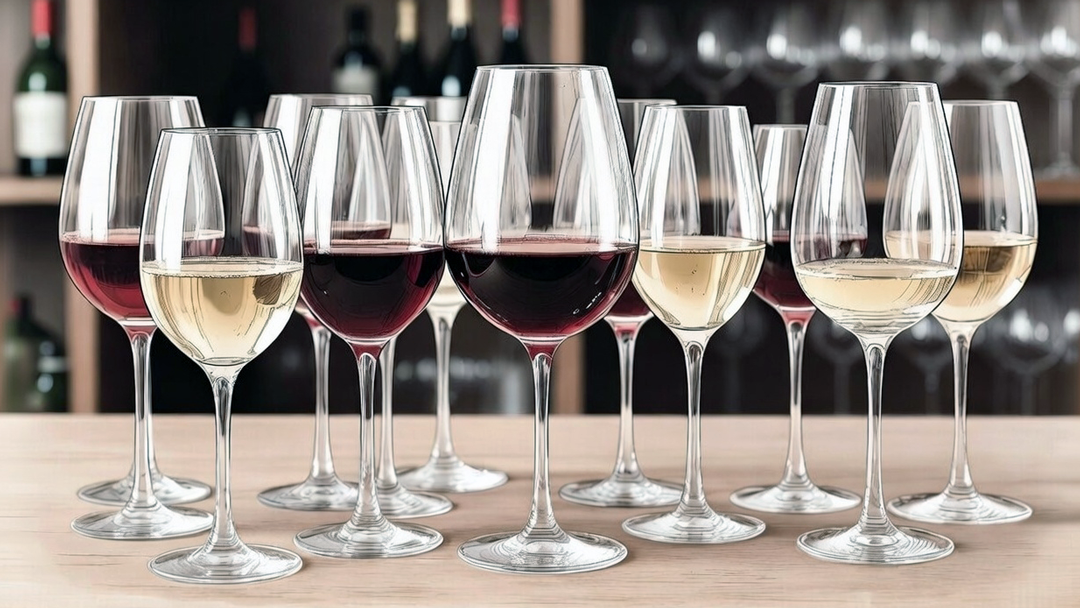
The glass images used in this article are taken from the Riedel Vinum range and are included for reference purposes only, to help illustrate different bowl shapes and styles. This article is not affiliated with, endorsed by, or intended to promote any particular brand.