Wine’s Alcohol Levels Explained
Written by - Cult Wines Team
Alcohol is one of the most visible numbers on a wine label, yet it is often misunderstood. More than a simple measure of strength, it offers clues about ripeness, climate, winemaking decisions and the overall style waiting in the glass. From influencing body and texture to shaping how a wine feels with food or as it ages, alcohol plays an important role in defining balance.
This article explores how alcohol is formed during fermentation, what ABV really tells you, and why wines with similar levels can taste very different. It also examines how climate, grape variety, and harvest timing influence alcohol levels, as well as the growing relevance of very low-alcohol and alcohol-free wines in modern drinking habits. Read the full article to better understand what alcohol levels truly reveal about the wine in your glass.
Read Full Article
News in brief
Tuscany Expands into Sparkling Wine Category
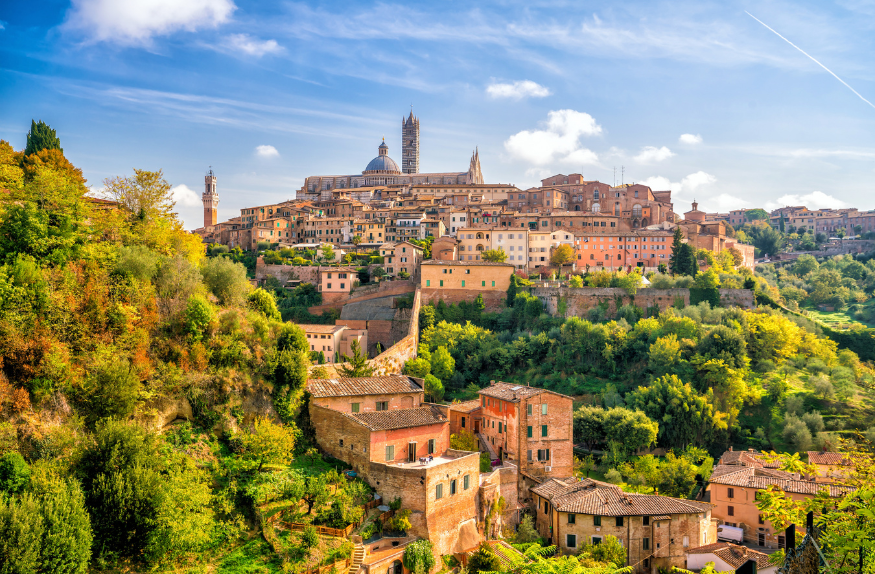
Tuscany has taken a significant step towards diversification after Italian authorities approved changes allowing Toscana IGT wines to include fully sparkling styles for the first time. Previously limited to still and lightly sparkling (frizzante) wines, producers can now legally make both white and rosé sparkling wines under the designation. This move signals a strategic shift for the region, offering winemakers greater flexibility and the opportunity to tap into growing global demand for sparkling wine. It also reflects a broader trend of traditional regions adapting their production rules to remain competitive and relevant in a changing wine market.

Chinese Wine Regions Push Global Ambitions
China’s wine regions of Ningxia and Xinjiang used ProWein Düsseldorf to strengthen their international profile, presenting wines, masterclasses and regional showcases for overseas buyers. The eastern foothills of Ningxia's Helan Mountains featured eight wineries, highlighting terroir, production methods and premium ambitions. Xinjiang made its ProWein debut with producers such as Tiansai Vineyards and Chateau Aroma, showcasing the scale and diversity of its vineyards and styles. Both regions used the fair to underline a broader push by Chinese producers to expand exports, build trade links and position themselves more confidently on the global stage.
Royal Wedding Wine Fails To Sell
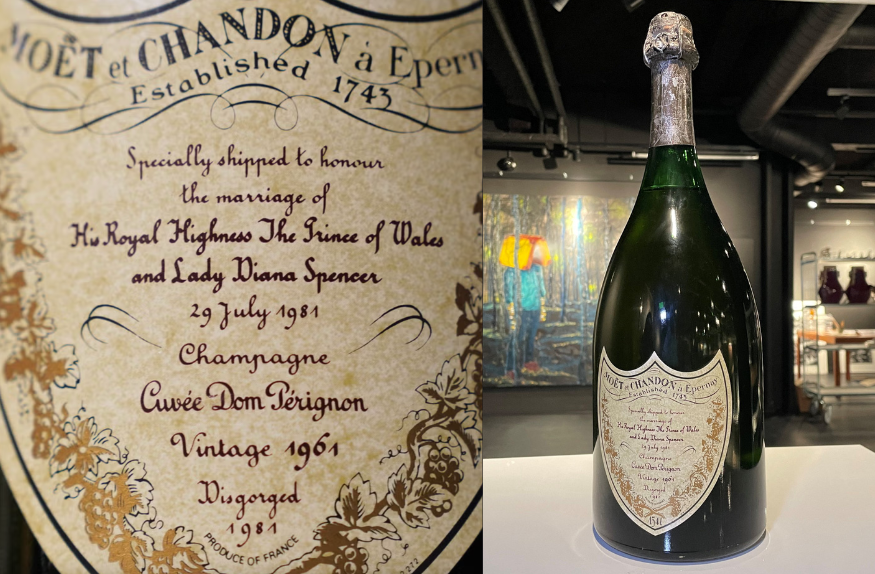
A rare magnum of 1961 Dom Pérignon, produced for the 1981 wedding of Prince Charles and Lady Diana Spencer, failed to sell at auction after bids did not meet the reserve price. One of only 12 bottles created for the occasion, it was expected to attract strong interest given its royal provenance and historical significance. However, despite global attention and an estimated value reportedly reaching up to $95,000, bidding fell short on the day. The result highlights the unpredictability of the secondary market, where even highly symbolic and scarce bottles may struggle to achieve expected prices if buyer demand does not align with valuation expectations.
What we’re drinking
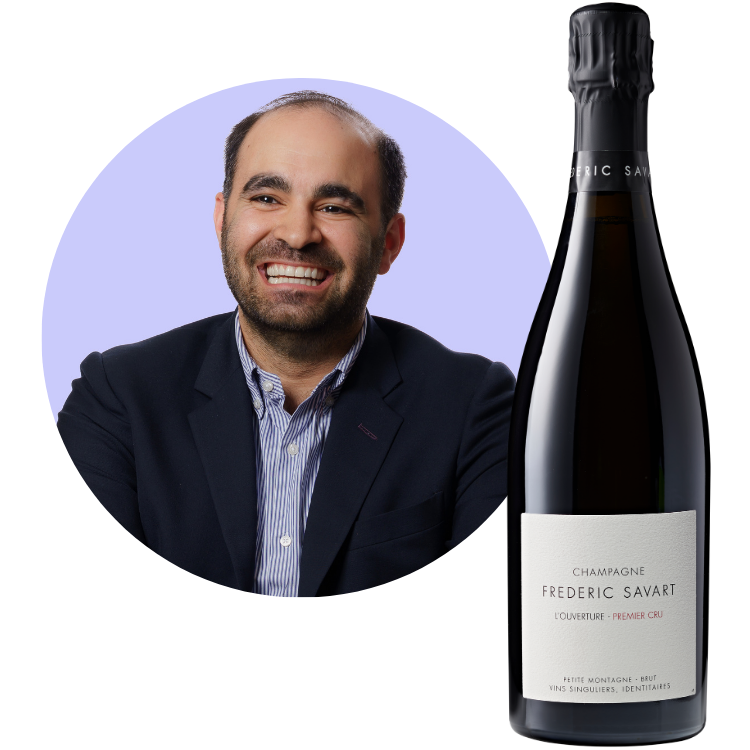
Frederic Savart L'Ouverture Blanc de Noirs Premier Cru Brut NV
Aarash Ghatineh, CRO - Cult Wines
Champagne is one of those categories where it’s easy to default to the big names. They’re reliable, familiar, and always there. But if you scratch just beneath the surface, there’s a group of smaller growers producing wines that offer far more personality and, often, far better value.
This is exactly where Savart’s L’Ouverture sits. I recently opened the NV Premier Cru L’Ouverture Brut (disgorged June 2021), and it was one of those bottles that immediately overdelivers. The kind you pour, take a sip of, and then go straight back in for another.
In the glass, it’s incredibly savoury and moreish. It’s fruit-forward, coming from 100% Pinot Noir, with real depth and a fuller-bodied feel than many expect from Champagne. You get fresh golden apple, poached pear, a touch of brioche, but it’s the texture and nutty, umami edge that really stand out. There’s a gentle creaminess balanced by a clean, driving freshness that keeps everything in check. It feels composed, but not serious. The sort of Champagne that works just as well at the start of an evening as it does alongside food.
For those less familiar, the disgorgement date simply tells you when the wine was finished and sealed. June 2021 means this still carries a lovely sense of freshness and tension, which you can feel in the glass.
What I like most about this wine is how complete it feels at its price point. It punches well above its weight. You’re getting something that has the detail and balance you’d expect from much more expensive bottles, without paying for the label.
It’s also not that hard to find. You’ll see it in good independent wine shops, and it’s available on CultX, which makes it an easy addition whether you’re buying to drink or to hold a few bottles back.
It’s also versatile with food. It pairs brilliantly with oysters and scallops, but also comes into its own with more savoury, umami-driven dishes where that depth and structure really shine.
If you enjoy Champagne but haven’t yet explored beyond the big houses, this is a very good place to start. And if you already have, this is one to keep coming back to.
Available at around £36* per bottle (in bond) on CultX.
*Price as of 27 March 2026 based on 6x75cl.
Our fine wine feature
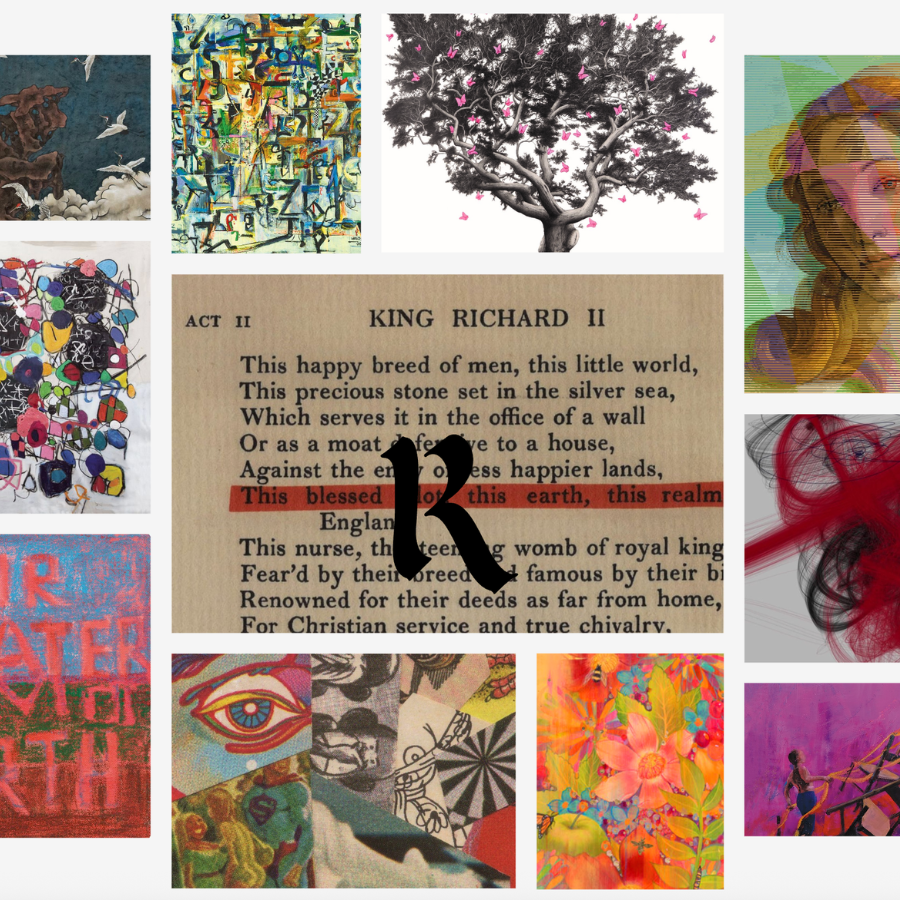
Liquid Landscapes: How Realm Cellars Turns Terroir into Art
Written by - Jessie Wu, Client Account Manager - Cult Wines
At Realm Cellars, wine is not just crafted, it is interpreted. Each bottle becomes a canvas on which terroir is translated into contemporary art, blending landscape, philosophy, and human creativity. From myth-inspired abstractions to data-driven visuals and cultural symbolism, Realm’s labels offer a new way of understanding place, where what you see is as meaningful as what you taste.
Explore how different vineyards across Napa Valley are expressed through distinct artistic approaches, from algorithm-generated imagery to reinterpretations of classical works. It reveals how Realm is redefining the relationship between wine and art, positioning each release as both a sensory and intellectual experience.
Read Full Article
Explore & travel
The Rise of High-Altitude Winemaking in Mexico
Written by - Alexa Atkinson, Senior Marketing Manager - Cult Wines
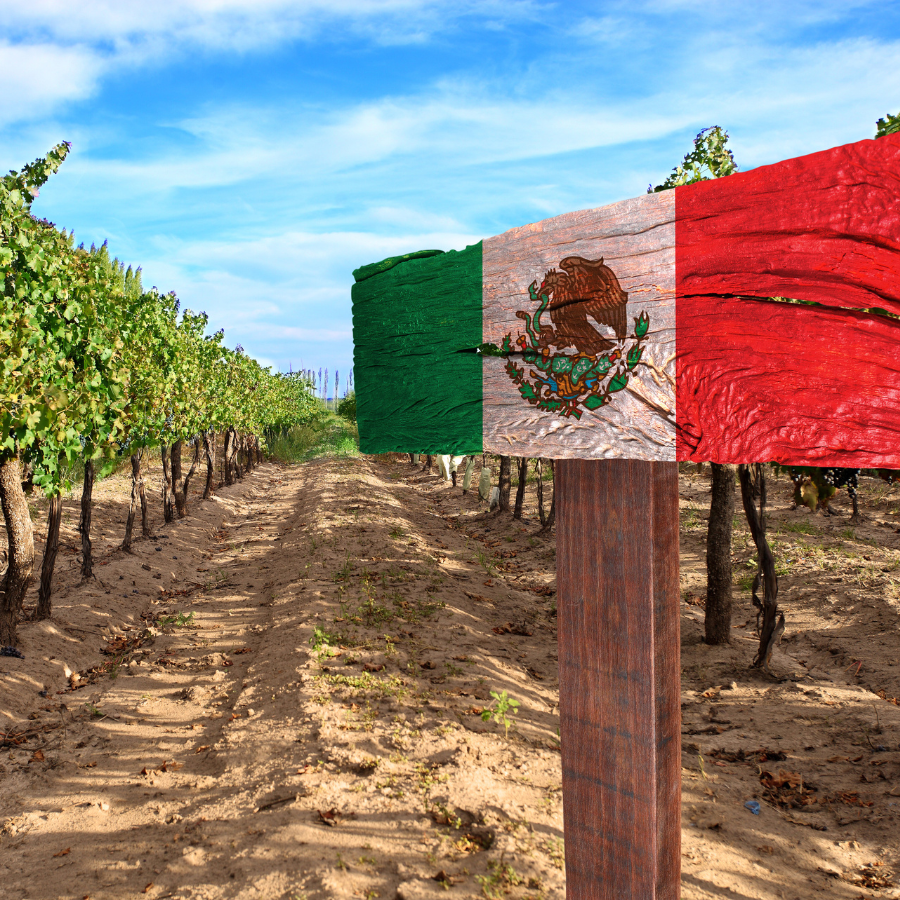
Mexico may be best known for Baja California, but the country’s most exciting wine developments are happening further inland and at altitude. In regions such as Coahuila, Guanajuato and Querétaro, producers are using elevation to counterbalance heat, creating wines with freshness, structure and a distinct sense of place. These are not imitations of Old World styles, but confident expressions shaped by climate, landscape and a growing ambition within the Mexican wine scene.
This article explores how altitude is transforming viticulture across Mexico, from historic producers like Casa Madero to newer, more experimental regions pushing boundaries. It also examines the challenges behind high-altitude winemaking and why these regions are becoming increasingly relevant on the global stage.
Read Full Article