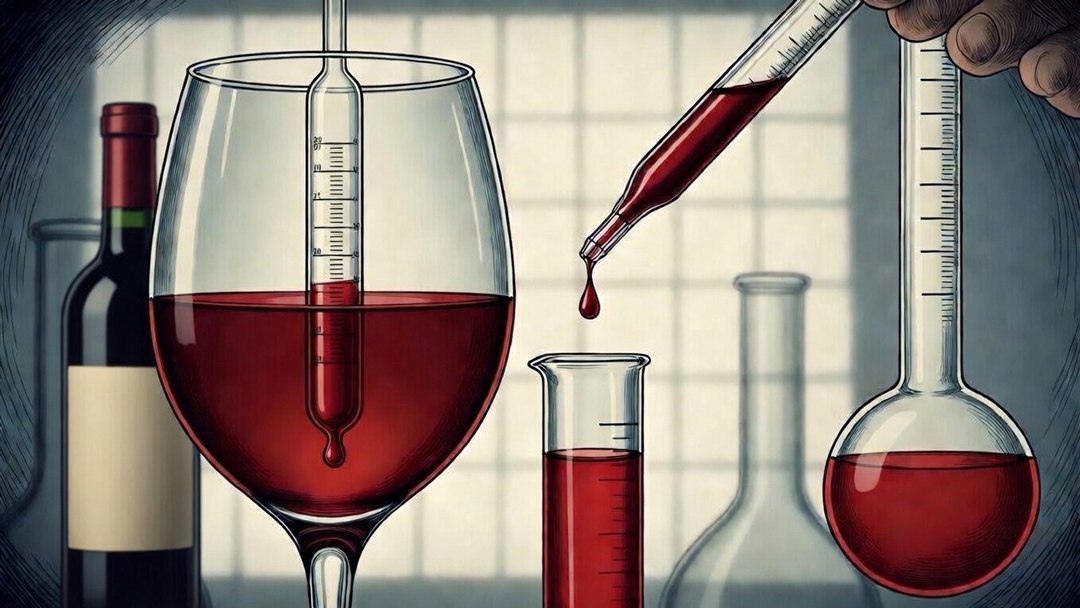
Wine’s Alcohol Levels Explained
Alcohol is one of the most looked-at figures on a wine label and one of the least understood. For some drinkers, it is a practical detail, a quick way of judging how light or powerful a bottle might be. For others, it carries baggage, tied up with old ideas about quality, ripeness and style. Either way, it tends to be reduced to a number, when in reality it says far more about a wine than many people realise.
Because alcohol in wine is never just alcohol. It is a clue to what happened in the vineyard, how ripe the grapes became, what choices the producer made, and what sort of experience awaits in the glass. It can shape texture, influence aroma, change how a wine feels with food, and affect how balanced it seems from the first sip to the last.
That does not mean higher is better, or lower is more refined. Some of the world’s most captivating wines are delicate, low in alcohol and full of tension. Others are rich, warming and unapologetically powerful. What matters is not the size of the number on the label, but whether it makes sense for the style of wine in front of you.
That has become even more relevant as drinking habits have changed. Alongside classic wine styles, there is now a growing market for very low alcohol and alcohol-free bottles, which has widened the conversation well beyond the old assumption that more ripeness and more weight automatically meant more quality. Today, understanding alcohol in wine means understanding not just strength, but structure, intention and the increasingly broad ways people choose to drink.
So while alcohol may look like one of the simplest facts on a bottle, it is often one of the most revealing. To understand what it means, it helps to start where all wine starts, with grapes, sugar and fermentation.
Why Some Wines Are Stronger Than Others
How Alcohol Affects the Taste of Wine
Typical Alcohol Levels by Style
Very Low Alcohol and Alcohol-Free Wines
How Alcohol Gets into Wine
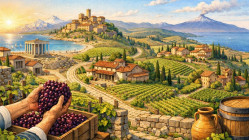
Alcohol is created during fermentation, but the story begins in the vineyard. As grapes ripen on the vine, their sugar levels rise, and their acidity gradually falls. Flavours shift too, moving from tart and green notes towards riper fruit. That balance between sugar, acidity and flavour ripeness is one of the reasons harvest timing matters so much.
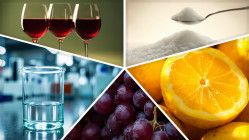
Once grapes are picked and crushed, yeast begins converting the sugar in the juice into ethanol and carbon dioxide. That is the basic process that turns grape juice into wine. In simple terms, the more sugar there is in the grapes, the more potential alcohol there is in the finished wine.
That relationship is straightforward, but the result is not always predictable in the glass. Two wines with the same alcohol level can feel very different depending on their acidity, fruit concentration, sweetness, tannin and texture. Alcohol is an important part of the whole, but it is never the whole story.
What ABV Means
Alcohol in wine is measured as ABV, or alcohol by volume.
If a bottle is labelled 12% ABV, that means 12% of the liquid is alcohol.
For most drinkers, ABV is useful because it offers a quick clue to style. A wine at 11% ABV will often feel lighter and fresher than one at 14.5%, while a wine pushing into the mid-teens is likely to feel fuller, warmer and more substantial. That is not a rule without exceptions, but it is a helpful starting point.
It is also worth remembering that alcohol levels are not always exact to the last decimal in sensory terms. They are a regulated measure, but what matters in the glass is how the wine carries that alcohol. Some wines wear it lightly. Others make a point of it.
Why Some Wines Are Stronger Than Others
Climate is one of the biggest reasons alcohol levels vary. In cooler regions, grapes tend to ripen more slowly and often reach harvest with lower sugar levels. That usually leads to wines with lower alcohol and higher acidity. In warmer regions, grapes can ripen more fully, accumulate more sugar and produce wines with higher alcohol and riper fruit profiles.
Grape variety plays a role, too. Some varieties are naturally associated with fresher, lower-alcohol styles, while others are more often grown in warmer areas or taken to fuller ripeness. Vineyard site, sun exposure, yield, canopy management and water stress all have an effect as well.
Then there are the producer’s own choices. One grower may pick early to preserve freshness and restraint. Another may wait for deeper ripeness and more body. Even within the same appellation, those decisions can lead to very different alcohol levels and very different wines.
That is one reason alcohol can be such a useful guide. It may not tell you everything, but it often points to the style the producer was aiming for.
How Alcohol Affects the Taste of Wine
Alcohol influences more than strength. It also affects body, texture and the overall impression of a wine on the palate.
Higher-alcohol wines often feel fuller and broader. They can seem richer, rounder and more warming. In some styles, that extra weight gives a wine generosity and presence. In others, it can feel too obvious, making the wine seem hot or heavy.
Lower-alcohol wines usually feel lighter, brisker and more agile. They can seem more refreshing and more lifted, which is one reason they often work so well at the table. A wine does not need a high ABV to feel complete, and many of the world’s most compelling bottles rely on tension and precision rather than sheer power.
The key word is balance. A wine at 14.5% ABV can feel beautifully composed if its fruit, acidity and structure are all in place. A wine at 12% can still feel awkward if it lacks depth or shape. Alcohol matters, but it only makes sense in relation to everything around it.
Typical Alcohol Levels by Style
As a broad guide, most wines fall into recognisable bands.
Wines under 12.5% ABV often include lighter or fresher styles such as Muscadet, Vinho Verde, many German Rieslings, Asti and some Prosecco. These wines can feel bright, delicate, or easygoing, though sweetness levels vary by style.
The 12.5% to 13.5% range covers a great deal of the wine world. Many Champagnes, Cavas, Bordeaux wines, New Zealand Sauvignon Blancs, Beaujolais and Riojas sit somewhere in this bracket. It is often the middle ground where freshness and body meet comfortably.
From around 13.5% to 14.5% ABV, wines tend to move into fuller territory. Richer Chardonnays, Argentine Malbec, South African Chenin Blanc, Chilean Merlot and Barolo often live here, though exact levels depend on vintage and producer.
Above 14.5%, wines are usually firmly on the ripe and powerful side, unless they are fortified. Styles such as Californian Zinfandel and Petite Sirah can reach this level in warm vintages, while fortified wines such as Port, Madeira and many Sherries often go beyond it by design.
These bands are useful but not rigid. Wine rarely behaves neatly, and there is always overlap.
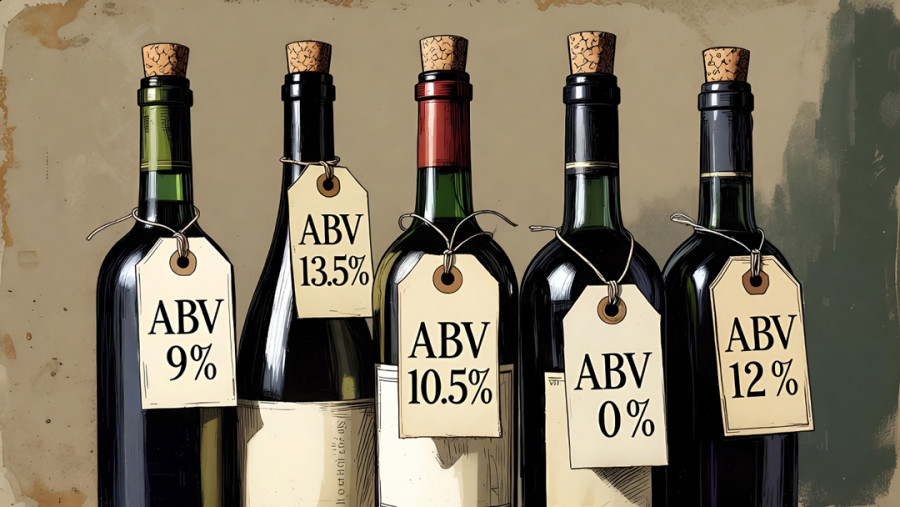
Very Low Alcohol & Alcohol-free Wines
No modern discussion of wine alcohol levels is complete without considering very low-alcohol and alcohol-free wines. What was once a minor corner of the market has become a category with growing visibility, better quality and a much clearer audience.
The reasons for that rise are easy enough to understand. Some people want to moderate their alcohol intake without giving up the ritual of pouring a glass of wine. Some want something suitable for weekday drinking, driving, or occasions where they simply do not want the effects of alcohol. Others move between full-strength and alcohol-free options depending on the setting rather than choosing one approach all the time.
It is important, though, to separate naturally lower-alcohol wines from wines that have had alcohol removed.
Some wines are low in alcohol because they were always meant to be. They might come from cooler climates, earlier harvests or grape varieties that lend themselves to lighter styles. Classic German Riesling is a good example. So is Hunter Valley Semillon. These wines are not reduced versions of something else. They are complete wines in their own right, with a style built around freshness, delicacy and precision.
Alcohol-free wine is a different proposition. In many cases, it begins life as regular wine before undergoing a process to remove most or all of its alcohol. That may involve vacuum distillation, reverse osmosis or other dealcoholisation methods. The challenge is that alcohol is not just about strength. It also contributes to body, texture, aroma delivery and overall shape on the palate. Remove it, and some of those qualities can be diminished, too.
That helps explain the pros and cons of the category. On the positive side, very low alcohol and alcohol-free wines offer flexibility. They make wine more accessible in situations where full-strength bottles are not suitable. At their best, they can still deliver refreshment, varietal character and a sense of occasion.
The limitations are just as clear. Texture, depth and length are often harder to preserve. Some alcohol-free wines can taste thinner, sweeter or more obviously adjusted than traditional wine. The more alcohol that is removed, the more difficult it becomes to keep the wine feeling complete and natural.
This also matters when it comes to style and place. Naturally lower-alcohol wines can still express grape variety and region very clearly. A cool-climate Riesling can be low in alcohol yet still taste unmistakably of Riesling and of where it was grown. Fully de-alcoholised wines often have a harder task, because some of the subtle aromatic compounds that help define place and typicity are also those most vulnerable during alcohol removal. The result can still be enjoyable, but it may show less detail and precision than the original wine.
As for ageing, these wines are not usually made with long-term cellaring in mind. Alcohol is part of wine’s natural preservative system, so removing it can reduce stability and shorten the wine’s best drinking window. In practical terms, very low alcohol and alcohol-free wines are usually intended to be enjoyed young, when freshness is still at its best.
That does not make them lesser by default. It simply means they belong to a different kind of conversation. The strongest examples are not trying to replace every style of traditional wine. They are offering something else: flexibility, moderation and a different drinking occasion.
Does Alcohol Affect Ageing Potential?
Alcohol can influence how a wine ages, but not in a neat or isolated way.
A common assumption is that lower alcohol always means better ageing potential, while higher alcohol means a wine will fade more quickly. In practice, it is more complicated than that. Ageing depends on the overall structure of the wine, including acidity, tannins, sugar, fruit concentration, and storage conditions.
What alcohol can do is become more noticeable over time if the fruit falls away and the wine loses balance. A young wine with generous ripe fruit may carry its alcohol easily. Years later, if the fruit has faded and the alcohol feels more exposed, the wine can seem hot or out of proportion. That is not because the alcohol has increased, but because the rest of the wine is no longer carrying it in the same way.
Equally, higher alcohol does not automatically mean a wine will not age. Fortified wines are the most obvious proof of that. Port and Madeira can be among the longest-lived wines in the world. Even among dry wines, some full-bodied bottles with higher alcohol can age very well if the rest of their structure is strong enough.
The better way to think about ageing is not to focus on ABV in isolation, but to ask whether the wine is balanced from the beginning. Wines that start in harmony are usually the ones that stand the best chance of ageing gracefully.
Does Higher Alcohol Mean a Better Wine?
No. It means a different style.
For years, some corners of the market gave the impression that bigger, riper and more powerful wines were inherently more impressive. That view has softened, and rightly so. Great wine can be rich and commanding, but it can also be light, savoury and finely drawn.
A high-alcohol red can be thrilling if it is balanced and true to its style. A low-alcohol white can be just as compelling if it has energy, clarity and poise. The best wines are not defined by how much alcohol they contain, but by how naturally they carry it.
In that sense, alcohol is much like oak, tannin or acidity. Too little can leave a wine feeling hollow. Too much can make it feel forced. In the right place, it helps complete the picture.
The Final Sip
Alcohol is one of the most visible figures on a wine label, but it becomes much more useful once you know how to read it. It can tell you something about the climate, ripeness and body. It can hint at whether a wine is likely to feel crisp and lifted or broad and warming. It can even give some clues about how a wine may evolve in the bottle.
What it cannot do is judge quality on its own.
That still comes down to balance, style and intent. A wine with modest alcohol can be every bit as serious and memorable as one with much more. A fuller wine can be magnificent if its weight is matched by structure and freshness. Even very low-alcohol and alcohol-free wines now have a clear place in the conversation, though they follow a different path and suit different occasions.
In the end, the most useful question is not whether a wine has a high or low alcohol level. It is whether that level makes sense for the wine in the glass.