Old World Treasures in the Tropics: Tasting in Maceió
There is a profound alchemy that occurs when a fine wine is allowed to rest for decades. The primary fruit softens, giving way to complex tertiary notes of truffle, forest floor, and delicate spice, a transformation that defines the pinnacle of the collector’s world. However, this experience is not universal. In many parts of the globe, the opportunity to taste "living history" is hampered by geography, trade economics, and local market trends.
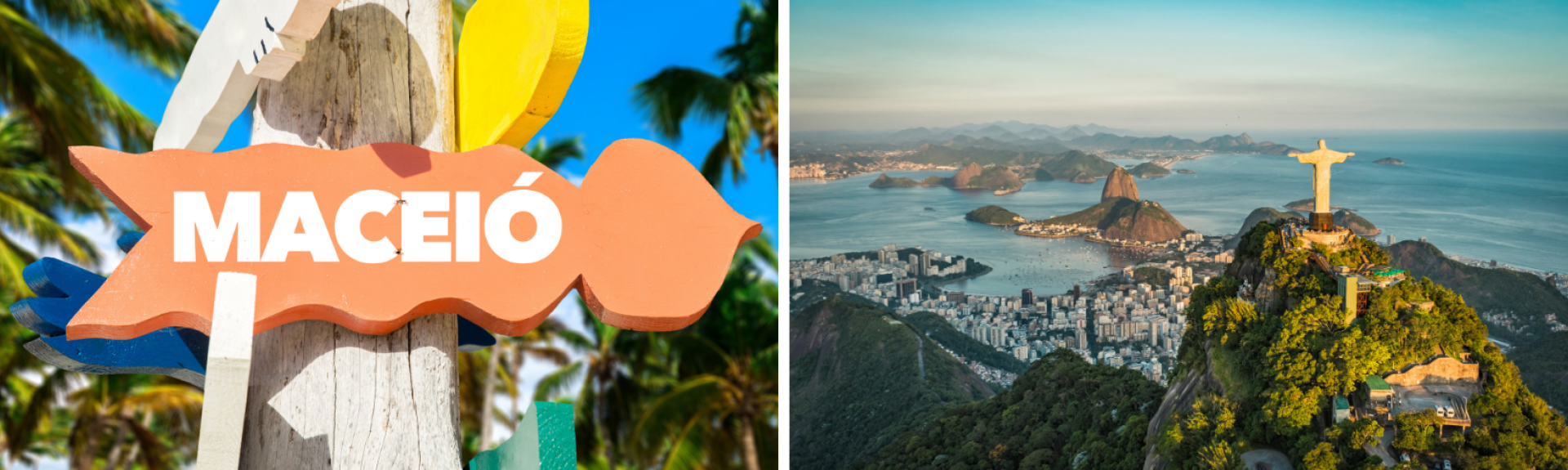
This was the challenge, and the inspiration, behind a recent journey to Maceió, the vibrant capital of Alagoas in Northeast Brazil. The occasion was deeply personal: my partner’s grandmother was celebrating her 90th birthday. In a culture that prioritises family and festive gatherings, I wanted to provide a gift that matched the gravity of nine decades of life. To do so, I curated a tasting of "impossible" wines, bottles that simply do not exist in the local market.
The Brazilian Paradox: Why Old World Wines are Rare
To understand why this tasting was so impactful, one must understand the unique landscape of the Brazilian wine market. Walking through a high-end wine shop in Maceió or São Paulo, you will notice a distinct lack of variety beyond the Atlantic and the Andes.
Brazil’s wine consumption is heavily dictated by two factors:
- The Mercosur Agreement: This trade bloc allows wines from Argentina, Chile, and Uruguay to enter Brazil duty-free. This has led to a market saturated with Malbec, Carmenere, and Tannat.
- Historical Ties: Because of Brazil’s colonial history, Portuguese wines enjoy a massive cultural footprint and favourable distribution, making them the primary European presence.
Conversely, wines from France, Italy, or Spain, the traditional homes of age-worthy giants, are subjected to an eye-watering 70% tax. This fiscal barrier makes importing fine European wines a luxury, and even then, the inventory is almost exclusively focused on "young" current releases. The concept of a vertical tasting or opening a bottle 20 years old is practically unheard of in the Northeast.
The Tasting: A Spectacular Journey Through Time
I arrived in Maceió with a suitcase full of treasures. The youngest wine in the lineup was from 2009. For many of the guests, who were used to drinking wines bottled within the last three to five years, this was their first encounter with the concept of structural evolution.
The reaction was one of pure astonishment. As the corks were pulled, the room fell silent. We explored a curated selection of legends:
- Bollinger 2004 R.D. (Champagne) x2: A "recently disgorged" masterpiece that provided a thrillingly fresh yet complex start. Its notes of roasted cashew, honeyed brioche, and orange peel set a majestic tone.
- 2009 Château Pichon Longueville Comtesse de Lalande: A powerhouse of elegance, showing opulent cassis and tobacco with silky, "feminine" tannins that seduced the palate.
- 2007 Château Langoa-Barton: A Saint-Julien in its prime, offering a harmonious mix of blackberry, truffle, and autumn leaves.
- 2000 Domaine Trapet Père et Fils Chambertin Grand Cru: The soulful peak of the evening. This 24-year-old Burgundy revealed a velvety texture with deep notes of black cherry, game meats, and earthy undergrowth.
- 1996 Château Léoville-Las Cases 'Grand Vin de Léoville': A serious, "aristocratic" wine from a classic vintage, showing incredible longevity with layers of graphite, mint, and dark fruit.
- 1995 Château Léoville Poyferré: A generous, heady style just hitting its plateau of maturity, impressing everyone with its rich dark fruit and spice.
The guests were struck by how a wine could be "old" but not "spoiled." To taste a 1995 vintage that still possessed vibrant life was a revelation, sparking a conversation about the Wine Academy philosophy: that wine is a vessel for time and terroir.
The Main Event: A 6-Litre Tribute
While the aged tasting was the intellectual highlight, the 90th birthday celebration required a physical spectacle. For the big occasion, I opened a 600cl (Imperial) bottle of Le Serre Nuove dell’Ornellaia 2020.
I love large formats for big occasions. Beyond the spectacle, an Imperial, equivalent to eight standard bottles, is the ultimate format for a large family gathering. Le Serre Nuove, the "second wine" of the legendary Bolgheri estate, provided a lush, opulent fruit profile that resonated beautifully with the festive atmosphere, marking a 90-year legacy with the grandeur it deserved.
The Rise of Brazilian Terroir
While the focus was on bringing European classics to the table, Brazil’s own wine industry is in a fascinating stage of evolution. Currently, the Serra Gaúcha region in Rio Grande do Sul is producing wines that meet an "international" standard. During my trip, we discussed three standout producers:
- Familia Geisse: Famous for high-end Traditional Method sparkling wines. Their Extra Brut 2021 and Blanc de Noir 2021 (around £26.99) are regarded as some of Brazil's most premium offerings.
- Pizzato: Their Gran Reserva Legno Chardonnay 2023 is a premium, oaked white that shows the potential for sophisticated whites in the south.
- Miolo: The Lote 43 (2022) remains a highly regarded Merlot/Cabernet Sauvignon blend, representing the peak of Brazilian red winemaking.
A Bridge Between Two Worlds
Bringing these ancient, dusty legends of Europe to the sun-drenched coast of Maceió was a profound experience. It served as a reminder that wine is a universal language. Despite the 70% taxes and geographic isolation, the appreciation for quality and history is alive and well in Brazil.
As we continue to explore global terroirs, our mission remains to ensure that no matter where you are, the magic of a perfectly aged bottle is never out of reach.
Related Articles
A Journey Through Burgundy: Four days on the Côte d’Or
By Tom Turner
Georgia: The Ancient Homeland of Wine
By Jessie Wu