A Guide to Burgundy’s Appellations, Climats and Historic Domaines
Burgundy is one of the most admired wine regions in the world, although it can also be one of the most confusing. Bordeaux is often understood through its châteaux, grand estates and classified growths. Burgundy works differently. Here, the story is told through villages, tiny vineyard plots, old stone walls, family domaines, historic négociant houses and the belief that even a few metres of land can change the character of a wine.
The region is best known for Pinot Noir and Chardonnay. These two grapes are grown across the world, yet Burgundy remains the place many wine lovers and winemakers look to as the reference point. Its greatest red wines can be perfumed, detailed, silky and long-lived. Its finest whites can combine richness, freshness, mineral drive and remarkable ageing potential.
The key to Burgundy is place. A wine may come from the wider Bourgogne region, a single village, a named Premier Cru vineyard or one of the region’s Grands Crus. The label often tells you where the grapes were grown, not simply who made the wine. That makes Burgundy a region that rewards curiosity. Once you start to understand the villages and vineyards, the names on the bottle begin to feel less like a puzzle and more like a map.
Why Burgundy is different from Bordeaux
Bordeaux and Burgundy are often discussed together because they sit at the top of the fine wine market, but their identities are quite different.
Bordeaux is shaped by estates. A château usually controls its vineyards, makes its wine and sells it under its own name. Appellations such as Pauillac, Margaux, Saint-Émilion and Pomerol are important, but the château often leads the conversation.
Burgundy is shaped by land division. A single Grand Cru vineyard can be split between many owners, each producing a different wine from their own parcel. Clos de Vougeot is the classic example. It is one Grand Cru appellation, but it has dozens of owners and a wide range of styles. In Burgundy, producer reputation and vineyard name work together. One without the other rarely tells the full story.
This is why Burgundy can feel so personal. Many domaines are small. Volumes are limited. Wines can be hard to find. The region’s best bottles often feel less like products and more like individual interpretations of a place.
Understanding Burgundy’s Appellation System
Burgundy’s appellation system is one of the most detailed in France. At first glance it can feel like a long list of similar names, but the structure is logical once you break it down. The region has 84 official Appellations d’Origine Contrôlée, usually shortened to AOCs. These are grouped into three broad levels: Régionale, Village and Grand Cru.
Premier Cru sits within the Village level. A Premier Cru is not usually a separate AOC in its own right. It is a recognised vineyard site, or climat, within a Village appellation. On a label, the village name appears first, followed by Premier Cru or 1er Cru, then the name of the vineyard. For example, Meursault Premier Cru Perrières, Chablis Premier Cru Montée de Tonnerre or Volnay Premier Cru Les Caillerets.
That distinction matters because Burgundy is built around place. A regional wine tells you it comes from the wider Burgundy area. A village wine narrows that down to a commune or group of communes. A Premier Cru takes you to a specific vineyard within that village. A Grand Cru goes one step further, with the vineyard name itself becoming the appellation.
Régionale AOCs
These are the broadest Burgundy appellations. They can cover large parts of the region and are often the most accessible way to understand Burgundy’s main grapes, styles and producer signatures.
- Bourgogne
- Bourgogne Aligoté
- Bourgogne Mousseux
- Bourgogne Passe-tout-grains
- Coteaux Bourguignons
- Crémant de Bourgogne
- Mâcon
Village AOCs: Chablis and the Grand Auxerrois
These appellations cover Chablis and the wider northern Burgundy area. Chablis is focused on Chardonnay and has its own detailed Premier Cru structure, with 40 climats that can appear on labels, grouped around 17 main or flag-bearing climats. Beyond Chablis, the Grand Auxerrois adds more variety, including Pinot Noir in Irancy and Sauvignon in Saint-Bris.
- Chablis (Contains 40 Premier Cru climats)
- Irancy
- Petit Chablis
- Saint-Bris
- Vézelay
Village AOCs: Côte de Nuits
The Côte de Nuits is the great red wine heartland of Burgundy, known above all for Pinot Noir. These village appellations include some of the most famous names in the region, as well as several villages that can offer excellent value when compared with the most sought-after addresses.
- Chambolle-Musigny (Contains 24 Premier Cru climats)
- Côte de Nuits-Villages
- Fixin (Contains 6 Premier Cru climats)
- Gevrey-Chambertin (Contains 26 Premier Cru climats)
- Marsannay
- Morey-Saint-Denis (Contains 20 Premier Cru climats)
- Nuits-Saint-Georges (Contains 41 Premier Cru climats)
- Vosne-Romanée (Contains 14 Premier Cru climats)
- Vougeot (Contains 4 Premier Cru climats)
Village AOCs: Côte de Beaune
The Côte de Beaune produces both red and white wines, but it is especially famous for Chardonnay from villages such as Meursault, Puligny-Montrachet and Chassagne-Montrachet. It also includes important red wine appellations such as Pommard, Volnay and Beaune.
- Aloxe-Corton (Contains 14 Premier Cru climats)
- Auxey-Duresses (Contains 9 Premier Cru climats)
- Beaune (Contains 42 Premier Cru climats)
- Blagny (Contains 7 Premier Cru climats)
- Chassagne-Montrachet (Contains 55 Premier Cru climats)
- Chorey-lès-Beaune
- Côte de Beaune
- Côte de Beaune-Villages
- Ladoix (Contains 11 Premier Cru climats)
- Maranges (Contains 7 Premier Cru climats)
- Meursault (Contains 19 Premier Cru climats)
- Monthélie (Contains 15 Premier Cru climats)
- Pernand-Vergelesses (Contains 8 Premier Cru climats)
- Pommard (Contains 28 Premier Cru climats)
- Puligny-Montrachet (Contains 17 Premier Cru climats)
- Saint-Aubin (Contains 30 Premier Cru climats)
- Saint-Romain
- Santenay (Contains 12 Premier Cru climats)
- Savigny-lès-Beaune (Contains 22 Premier Cru climats)
- Volnay (Contains 29 Premier Cru climats)
This area of Burgundy is particularly rich in Premier Cru detail. Villages such as Beaune, Chassagne-Montrachet, Pommard, Volnay, Saint-Aubin and Savigny-lès-Beaune contain a large number of named Premier Cru climats.
Village AOCs: Côte Chalonnaise
The Côte Chalonnaise is one of Burgundy’s most useful areas for drinkers who want character, value and variety. It produces Pinot Noir, Chardonnay and Aligoté, with strong village identities across red, white and sparkling styles.
- Bouzeron
- Givry (Contains 38 Premier Cru climats)
- Mercurey (Contains 32 Premier Cru climats)
- Montagny (Contains 49 Premier Cru climats)
- Rully (Contains 23 Premier Cru climats)
The Côte Chalonnaise has no Grand Cru AOCs, but it has a meaningful Premier Cru presence. Montagny, Givry, Mercurey and Rully all contain classified Premier Cru climats, making the region more detailed than its value-led reputation sometimes suggests.
Village AOCs: Mâconnais
The Mâconnais is Burgundy’s southern Chardonnay stronghold. The wines are often riper and more generous than those from Chablis, although the best sites also show freshness, limestone tension and clear vineyard character.
- Pouilly-Fuissé (Contains 22 Premier Cru climats)
- Pouilly-Loché (Contains 1 Premier Cru climat)
- Pouilly-Vinzelles (Contains 3 Premier Cru climats)
- Saint-Véran
- Viré-Clessé
The Mâconnais has become more important within Burgundy’s hierarchy. Pouilly-Fuissé gained its first Premier Cru climats from the 2020 vintage, while Pouilly-Loché and Pouilly-Vinzelles gained their first Premier Cru climats from the 2024 vintage. This gives the southern part of Burgundy a clearer place in the Premier Cru conversation.
Grand Cru AOCs: Chablis
Chablis has one Grand Cru AOC, made up of several named climats on the famous slope above the River Serein.
- Chablis Grand Cru
Grand Cru AOCs: Côte de Nuits
The Côte de Nuits contains the majority of Burgundy’s red Grand Cru appellations. These are some of the most prized Pinot Noir vineyards in the world.
- Bonnes-Mares
- Chambertin
- Chambertin-Clos de Bèze
- Chapelle-Chambertin
- Charmes-Chambertin
- Clos de la Roche
- Clos de Tart
- Clos de Vougeot
- Clos des Lambrays
- Clos Saint-Denis
- Echezeaux
- Grands Echezeaux
- Griotte-Chambertin
- La Grande Rue
- La Romanée
- La Tâche
- Latricières-Chambertin
- Mazis-Chambertin
- Mazoyères-Chambertin
- Musigny
- Richebourg
- Romanée-Conti
- Romanée-Saint-Vivant
- Ruchottes-Chambertin
Grand Cru AOCs: Côte de Beaune
The Côte de Beaune is home to Burgundy’s greatest white Grand Cru appellations, along with Corton, which is best known for red wine but can also produce white wine.
- Bâtard-Montrachet
- Bienvenues-Bâtard-Montrachet
- Charlemagne
- Chevalier-Montrachet
- Corton
- Corton-Charlemagne
- Criots-Bâtard-Montrachet
- Montrachet
Chablis and the Grand Auxerrois
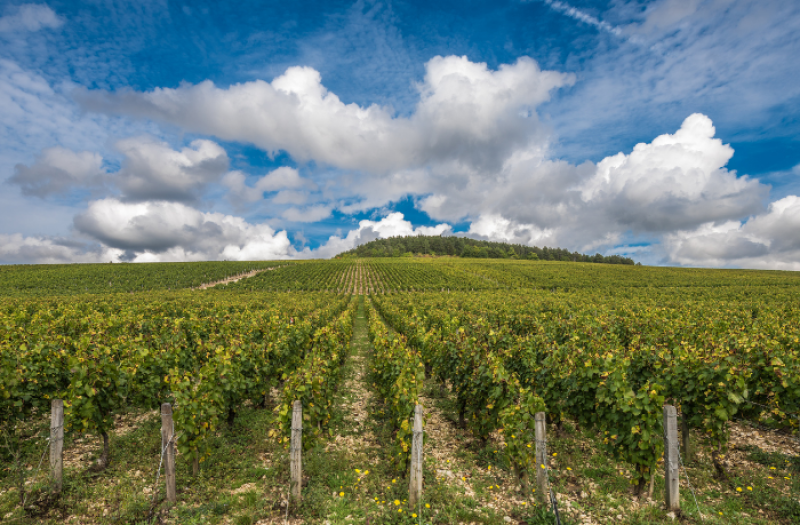
Chablis sits in the northern part of Burgundy, closer to Champagne than to the Côte d’Or. It’s cool climate and limestone-rich soils give Chardonnay a vastly different expression from the richer whites of the Côte de Beaune or Mâconnais.
Chablis is famous for dry white wines with freshness, tension and a distinct mineral edge. The best examples can show citrus, green apple, white flowers, oyster shell, chalk, wet stone and a clean, mouth-watering finish. They are rarely heavy, yet top wines can age beautifully.
The appellation is divided into four levels: Petit Chablis, Chablis, Chablis Premier Cru and Chablis Grand Cru. Petit Chablis tends to be bright, crisp and early drinking. Chablis offers a more classic expression of the region. Premier Cru wines bring more depth and site character, while Chablis Grand Cru, grown on a famous slope above the River Serein, produces the region’s most powerful and age-worthy wines.
Key Premier Cru names include Montée de Tonnerre, Vaillons, Montmains, Fourchaume, Mont de Milieu and Butteaux. The Chablis Grand Cru appellation includes seven official climats: Les Clos, Vaudésir, Valmur, Les Preuses, Bougros, Blanchot and Grenouilles. Les Clos is often seen as the most complete and structured, while Vaudésir and Les Preuses can be more open, floral and generous.
Historic and leading producers in Chablis
Domaine François Raveneau is one of the most revered names in Chablis, producing wines of depth, restraint and longevity. Domaine Vincent Dauvissat is another benchmark, known for wines that can be tightly wound in youth before developing great complexity with age.
William Fèvre has long been important to the region and owns an impressive range of Premier Cru and Grand Cru holdings. Other respected names include Jean-Paul & Benoît Droin, Billaud-Simon, Moreau-Naudet, Samuel Billaud and Domaine Christian Moreau.
The Grand Auxerrois
The Grand Auxerrois surrounds Chablis and includes areas such as Auxerrois, Tonnerrois, Vézelien and Jovinien. It is less famous than Chablis, but it brings valuable variety to northern Burgundy.
Irancy is the name to know for red wines. Made mainly from Pinot Noir, sometimes with a small proportion of César, the wines can be vivid, fresh and charming, with red cherry, raspberry and a slightly rustic edge in more traditional examples.
Saint-Bris is unusual for Burgundy because its white wines are made from Sauvignon rather than Chardonnay. They tend to be aromatic, crisp and lively, offering something quite different from the rest of the region.
Vézelay, now recognised as a Village appellation, produces Chardonnay with freshness, floral notes and a clean, mineral style. It is still relatively modest in profile, but it is increasingly worth watching.
The Côte de Nuits
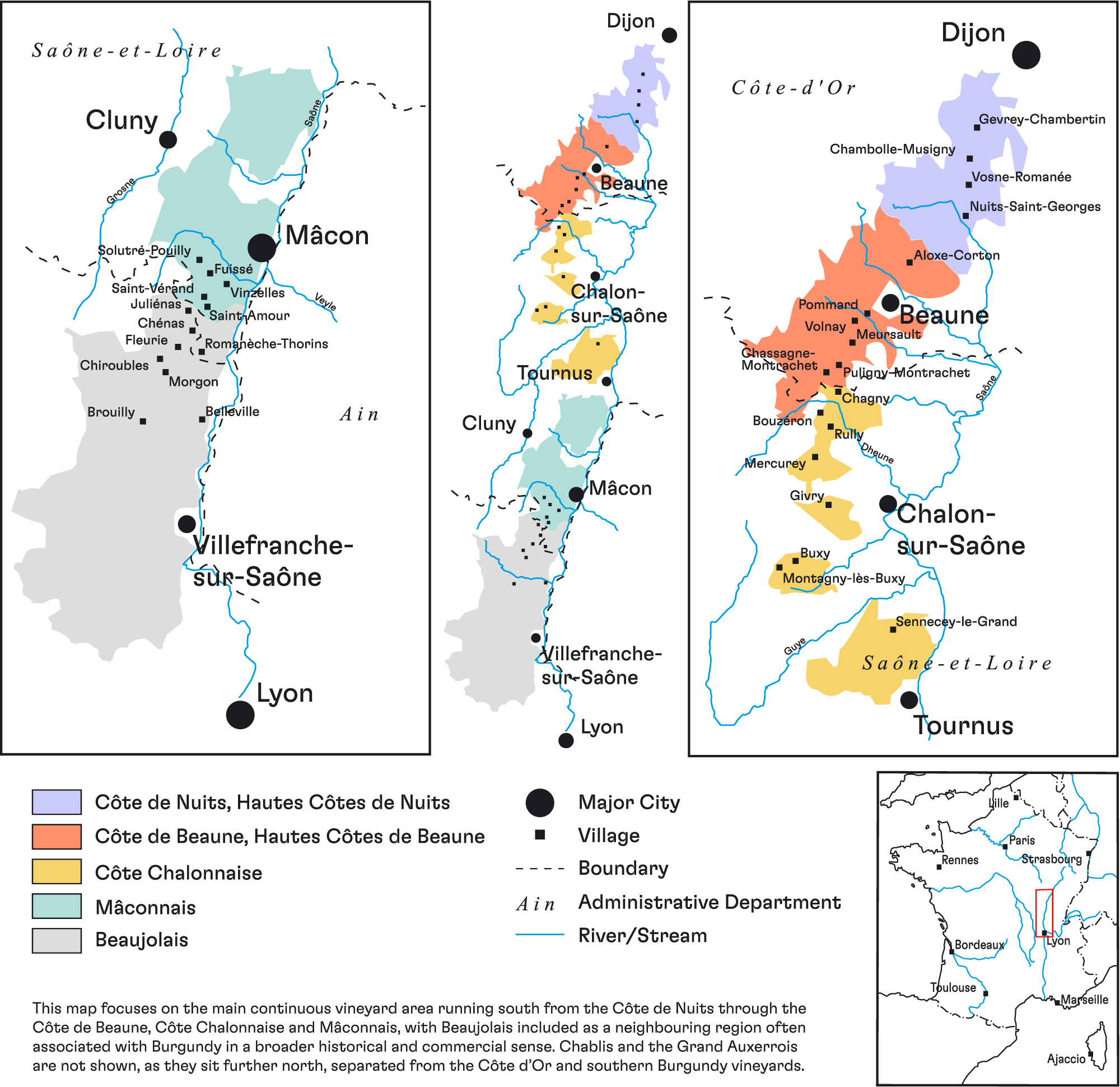
The Côte de Nuits is the northern half of the Côte d’Or and the spiritual home of great red Burgundy. Stretching south from Dijon towards Corgoloin, it is a narrow band of vineyards where Pinot Noir reaches some of its most celebrated expressions.
The wines of the Côte de Nuits can be fragrant, intense, structured and deeply age-worthy. This is where many of Burgundy’s most famous Grands Crus are found, including Chambertin, Musigny, Clos de la Roche, Clos de Vougeot, Romanée-Conti, La Tâche and Richebourg.
Although the Côte de Nuits is known above all for red wines, there are some whites, particularly in Marsannay, Fixin, Morey-Saint-Denis and Nuits-Saint-Georges. Still, Pinot Noir is the main event.
Marsannay
Marsannay is the northern gateway to the Côte de Nuits and has become increasingly interesting in recent years. It is unusual because it produces red, white and rosé wines under its village appellation.
The reds can offer bright red fruit, spice, earth and a supple structure. They are often more approachable than wines from the grander villages further south, although the best examples have more seriousness than Marsannay’s old reputation suggested.
The whites can be fresh and rounded, while Marsannay rosé is a genuine local speciality rather than an afterthought.
Producers to know in Marsannay
Domaine Bruno Clair is one of the leading names associated with the village, making refined and age-worthy wines across several appellations. Sylvain Pataille has done much to raise the profile of Marsannay through detailed, expressive wines, including serious Aligoté and rosé. Domaine Charles Audoin is another important producer, known for pure, well-made wines that show the village’s growing quality.
Fixin
Fixin sits just south of Marsannay and is often described as sturdy, earthy and slightly rustic. That description can be true, especially for older-style wines, but good modern examples have plenty of charm, with dark cherry, redcurrant, spice and firm but balanced tannins.
Fixin has no Grand Cru, but it does have respected Premier Cru sites, including Clos de la Perrière, Les Hervelets and Clos du Chapitre. The wines can represent good value for drinkers who enjoy the firmer side of Côte de Nuits Pinot Noir.
Producers to know in Fixin
Domaine Pierre Gelin is closely associated with the village, particularly Clos Napoléon and Clos de la Perrière. Domaine Berthaut-Gerbet has also become a highly regarded name, bringing precision and finesse to Fixin and neighbouring appellations.
Gevrey-Chambertin
Gevrey-Chambertin is one of Burgundy’s most famous villages and one of the great names of the Côte de Nuits. Its wines are often described as powerful, deep and long-lived, though the best examples are not simply muscular. They can combine dark fruit, floral lift, savoury spice, earth, mineral firmness and great structure.
Gevrey is home to an extraordinary collection of Grands Crus, including Chambertin, Chambertin-Clos de Bèze, Mazis-Chambertin, Charmes-Chambertin, Latricières-Chambertin, Ruchottes-Chambertin, Griotte-Chambertin, Chapelle-Chambertin and Mazoyères-Chambertin.
Chambertin and Chambertin-Clos de Bèze are usually seen as the village’s greatest sites. They can produce wines of depth, authority and long ageing potential. Charmes-Chambertin is often more generous and open, while Latricières can be cooler, more mineral and more restrained.
Producers to know in Gevrey-Chambertin
Domaine Armand Rousseau is one of Burgundy’s legendary domaines and a benchmark for Gevrey-Chambertin. Its Chambertin, Chambertin-Clos de Bèze and Clos Saint-Jacques are among the most sought-after wines in the region.
Domaine Fourrier is admired for purity, fragrance and silky texture, especially in Gevrey-Chambertin Premier Cru Clos Saint-Jacques. Domaine Trapet combines history with biodynamic farming and produces elegant, expressive wines from several top sites. Other major names include Denis Mortet, Dugat-Py, Duroché, Claude Dugat and Rossignol-Trapet.
Morey-Saint-Denis
Morey-Saint-Denis sits between Gevrey-Chambertin and Chambolle-Musigny, both geographically and stylistically. Its wines can show some of Gevrey’s structure and some of Chambolle’s perfume, which makes the village especially rewarding.
Morey has several Grands Crus, including Clos de la Roche, Clos Saint-Denis, Clos des Lambrays, Clos de Tart and part of Bonnes-Mares. Clos de la Roche often produces broad, structured and long-lived wines, while Clos Saint-Denis is usually finer, more aromatic and more delicate. Clos de Tart and Clos des Lambrays are historic walled vineyards with strong individual identities.
Producers to know in Morey-Saint-Denis
Domaine Dujac is one of the great names of the village, known for fragrant, complex wines with a distinctive whole-bunch influence in many cuvées. Domaine Ponsot has deep roots in Morey and is closely linked with Clos de la Roche. Domaine des Lambrays and Domaine du Clos de Tart are historic estates centred on their famous Grand Cru monopoles. Other respected names include Hubert Lignier, Lignier-Michelot and Arlaud.
Chambolle-Musigny
Chambolle-Musigny is often associated with elegance. That can be a simplification, but there is truth behind it. The wines are frequently perfumed, fine-boned and silky, with red fruit, violets, rose petals and a graceful structure.
The village’s two Grand Cru names are Musigny and Bonnes-Mares, the latter shared with Morey-Saint-Denis. Musigny is one of Burgundy’s most refined and complete Grands Crus, producing wines of great fragrance, depth and finesse. Bonnes-Mares is usually broader and more powerful, with more muscle behind the perfume.
Premier Cru Les Amoureuses is one of Burgundy’s most famous non-Grand Cru vineyards and often commands Grand Cru-level attention. Other notable Premier Crus include Les Charmes, Les Fuées, Les Cras and Les Baudes.
Producers to know in Chambolle-Musigny
Domaine Georges Roumier is one of the most admired domaines in Burgundy, producing wines of depth, precision and rarity. Domaine Comte de Vogüé is historically tied to Musigny and Bonnes-Mares, and remains one of the village’s great names. Jacques-Frédéric Mugnier is celebrated for graceful, transparent wines, while Ghislaine Barthod is a benchmark for Chambolle Premier Cru expression. Other important producers include Hudelot-Noëllat, Amiot-Servelle and Anne et Hervé Sigaut.
Vougeot
Vougeot is best known for Clos de Vougeot, one of Burgundy’s most famous Grand Cru vineyards. It is a large Grand Cru by local standards, and because it has many owners, style and quality can vary widely. At its best, Clos de Vougeot can be structured, savoury and long-lived, with dark fruit, spice and firm tannins.
The village also produces smaller amounts of village and Premier Cru wine. These are sometimes overlooked because Clos de Vougeot dominates the conversation, but good examples can be attractive and characterful.
Producers to know in Vougeot
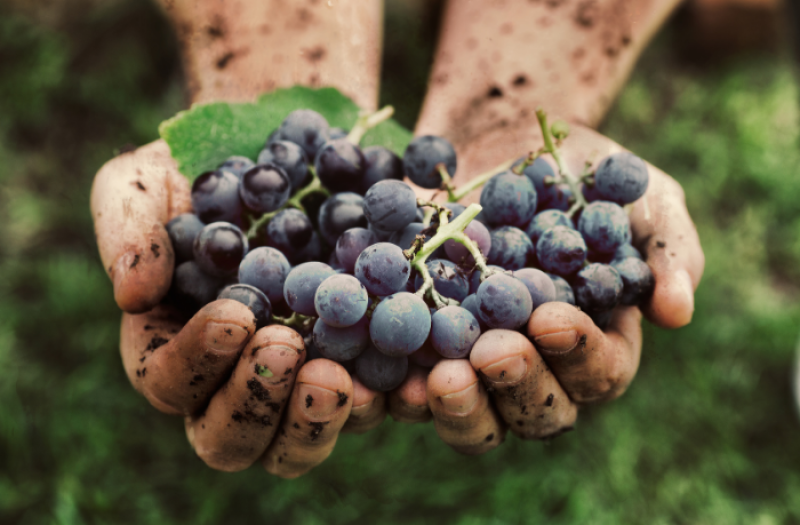
Because Clos de Vougeot is divided among many domaines, producer choice is especially important. Leading names include Domaine Méo-Camuzet, Domaine Leroy, Domaine d’Eugénie, Domaine Hudelot-Noëllat, Domaine Anne Gros, Domaine Jean Grivot and Château de la Tour, the latter being the largest owner within Clos de Vougeot.
Vosne-Romanée and Flagey-Echezeaux
Vosne-Romanée is perhaps the most famous village in Burgundy. It is home to an extraordinary cluster of Grands Crus, including Romanée-Conti, La Tâche, Richebourg, Romanée-Saint-Vivant, La Romanée and La Grande Rue. Neighbouring Flagey-Echezeaux adds Echezeaux and Grands Echezeaux, which are linked to the Vosne-Romanée story.
The wines of Vosne are often described as combining richness, perfume, spice and sensual texture. They can show red and black cherry, rose, violet, sandalwood, exotic spice, tea, earth and a polished, layered finish. At the highest level, they are among the most collectible wines in the world.
Producers to know in Vosne-Romanée
Domaine de la Romanée-Conti is Burgundy’s most famous domaine and the sole owner of Romanée-Conti and La Tâche. Its wines are among the rarest and most sought-after in fine wine.
Domaine Leroy is another legendary name, producing tiny quantities of concentrated and complex wines. Other leading domaines include Emmanuel Rouget, Sylvain Cathiard, Domaine du Comte Liger-Belair, Méo-Camuzet, Mugneret-Gibourg, Jean Grivot and Hudelot-Noëllat.
Nuits-Saint-Georges
Nuits-Saint-Georges gives its name to the Côte de Nuits, yet it has no Grand Cru vineyards. That does not mean it lacks quality. Its best Premier Crus are highly serious wines, often structured, savoury and long-lived.
The northern side, closer to Vosne-Romanée, can produce more refined and perfumed wines. The southern side, towards Premeaux-Prissey, often gives firmer, more powerful styles. Notable Premier Cru sites include Les Saint-Georges, Les Vaucrains, Les Cailles, Aux Murgers, Aux Boudots and Les Pruliers.
There has long been discussion about whether Les Saint-Georges deserves Grand Cru status. Whether or not that ever happens, it remains one of Burgundy’s most respected Premier Cru vineyards.
Producers to know in Nuits-Saint-Georges
Domaine Henri Gouges is a historic benchmark, known for structured, age-worthy wines. Domaine Robert Chevillon is highly respected for its range of Nuits-Saint-Georges Premier Crus, each showing a clear difference in site. Domaine de l’Arlot brings elegance and perfume, particularly from Clos de l’Arlot and Clos des Forêts Saint Georges. Other important names include Faiveley, Jean Chauvenet and Thibault Liger-Belair.
The Côte de Beaune
The Côte de Beaune forms the southern half of the Côte d’Or. It is more mixed than the Côte de Nuits, producing both great reds and some of the world’s finest dry white wines.
The northern Côte de Beaune, around Aloxe-Corton, Beaune, Pommard and Volnay, is important for Pinot Noir. Further south, from Meursault through Puligny-Montrachet and Chassagne-Montrachet, Chardonnay takes centre stage.
This is where you find names such as Corton-Charlemagne, Montrachet, Meursault, Puligny-Montrachet and Volnay. For many collectors, the Côte de Beaune is the heartland of white Burgundy.
Aloxe-Corton, Ladoix and Pernand-Vergelesses
The hill of Corton links the villages of Aloxe-Corton, Ladoix-Serrigny and Pernand-Vergelesses. It is one of the few parts of Burgundy where Grand Cru red and white wines share the same hillside.
Corton is the great red Grand Cru of the hill, although white Corton also exists. The wines can be firm, earthy, broad and long-lived. Corton-Charlemagne is one of Burgundy’s greatest white Grands Crus, producing Chardonnay with power, tension, mineral drive and great ageing potential.
Pernand-Vergelesses often gives fresh, lively whites and reds with a cooler feel. Ladoix can offer good value, particularly from thoughtful producers.
Producers to know around the hill of Corton
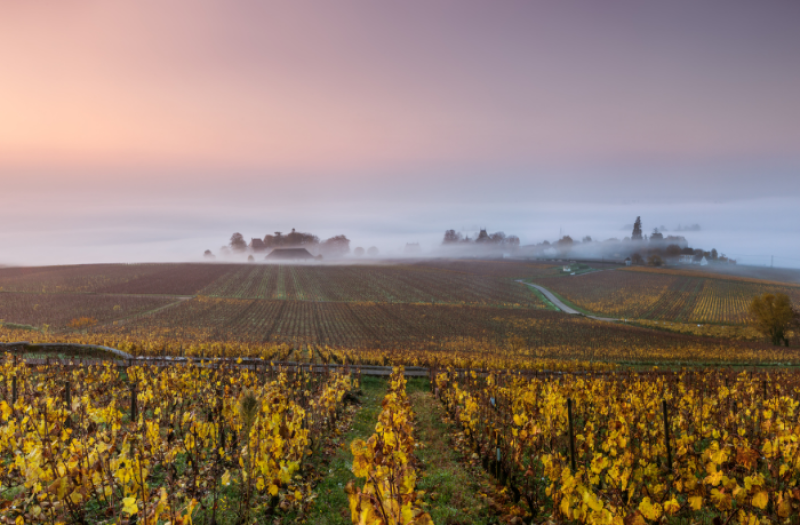
Domaine Bonneau du Martray is historically associated with Corton-Charlemagne. Domaine Chandon de Briailles is important in Savigny, Pernand and Corton, with a traditional and increasingly refined style. Domaine Rapet is a strong name for Pernand-Vergelesses and Corton-Charlemagne. Other major producers include Louis Latour, Tollot-Beaut, Méo-Camuzet and Faiveley.
Beaune, Savigny-lès-Beaune and Chorey-lès-Beaune
Beaune is the historic and commercial centre of Burgundy wine. The town itself is surrounded by Premier Cru vineyards, yet Beaune wines can be overshadowed by more famous village names. This can make them appealing for those looking for value within the Côte d’Or.
Beaune reds are often open, generous and red-fruited, with good structure but less severity than Pommard. The whites can be rounded and appealing. Important Premier Cru sites include Les Grèves, Clos des Mouches, Les Teurons, Les Bressandes and Clos du Roi.
Savigny-lès-Beaune produces charming reds and whites. The reds tend to be fresh, fragrant and easy to enjoy, although the best Premier Crus can age well. Chorey-lès-Beaune is usually softer and more approachable, making it a useful source of honest, earlier-drinking Burgundy.
Producers to know in Beaune and nearby villages
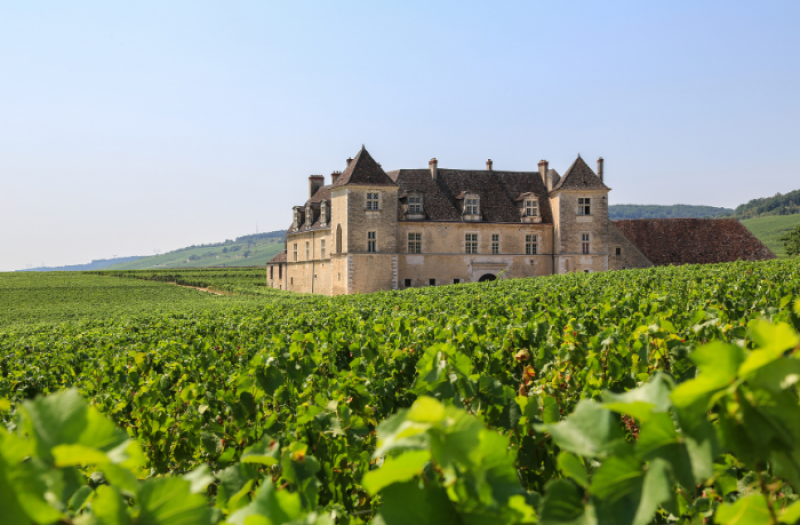
Bouchard Père & Fils is one of the most important historic houses in Beaune, with major holdings including Beaune Grèves Vigne de l’Enfant Jésus. Joseph Drouhin and Louis Jadot are also central to the town’s history and continue to produce wines across Burgundy. Domaine des Croix has done much to raise the profile of Beaune in recent years. In Savigny-lès-Beaune, Simon Bize, Chandon de Briailles, Pavelot and Tollot-Beaut are key names.
Pommard
Pommard is one of the Côte de Beaune’s most famous red wine villages. Its wines are often associated with power, tannin and dark fruit. While some examples can be firm in youth, the best Pommards gain complexity with age, developing notes of spice, earth, game and dried flowers.
There are no Grands Crus in Pommard, but several Premier Crus have strong reputations. Les Rugiens and Les Epenots are the most famous, with Rugiens often giving deeper, more mineral and structured wines, and Epenots offering a slightly finer, more polished style.
Producers to know in Pommard
Domaine de Courcel is one of the great traditional names of Pommard, known for long-lived wines from top Premier Cru sites. Domaine Comte Armand is associated with Clos des Epeneaux, a celebrated Premier Cru monopole. Other respected producers include de Montille, Joseph Voillot, Parent, Lejeune and Nicolas Rossignol.
Volnay
If Pommard is often linked with power, Volnay is usually linked with grace. The wines can be perfumed, silky and finely textured, with red cherry, raspberry, violet, rose and subtle spice. They are not necessarily light, but their beauty often lies in finesse rather than force.
Volnay has no Grand Cru, but it has many excellent Premier Crus. Les Caillerets, Clos des Chênes, Taillepieds, Champans, Santenots and Les Mitans are among the best known. Some Volnay Santenots vineyards lie within Meursault but produce red wines under the Volnay appellation, a classic Burgundy detail that can confuse even experienced drinkers at first.
Producers to know in Volnay
Domaine Michel Lafarge is one of the village’s historic benchmarks, known for elegant, age-worthy wines. Domaine Marquis d’Angerville is strongly associated with Volnay, particularly Clos des Ducs. Domaine de Montille produces refined, structured wines from Volnay and across the Côte de Beaune. Other important names include Joseph Voillot, Yvon Clerget, Bitouzet-Prieur and Nicolas Rossignol.
Meursault
Meursault is one of the great names in white Burgundy. Its wines are made from Chardonnay and are often associated with hazelnut, butter, ripe orchard fruit and a broad texture. Yet the best Meursault is not simply generous. It has freshness, structure and mineral depth beneath the richness.
There are no Grands Crus in Meursault, but its top Premier Crus can rival Grand Cru wines in quality and reputation. Perrières is often seen as the finest, giving wines of precision, length and stony intensity. Genevrières can be more floral and elegant, while Charmes is often broader and more generous.
Village Meursault can also be outstanding, especially from lieux-dits such as Les Narvaux, Les Tillets and Les Tessons.
Producers to know in Meursault
Coche-Dury is one of the most famous names in white Burgundy, known for wines of intensity, energy and longevity. Domaine des Comtes Lafon is another benchmark, producing some of the most admired Meursaults in the world. Domaine Roulot is prized for precision and purity. Other leading names include Arnaud Ente, Pierre Morey, Antoine Jobard, Rémi Jobard, Ballot-Millot, Buisson-Charles and Henri Germain.
Puligny-Montrachet
Puligny-Montrachet is often seen as the most precise and mineral of the great white wine villages. Its best wines can feel chiselled and elegant, with citrus, white flowers, green apple, almond, stone, smoke and a long, disciplined finish.
Puligny is home to or shares some of Burgundy’s greatest white Grands Crus, including Montrachet, Chevalier-Montrachet, Bâtard-Montrachet and Bienvenues-Bâtard-Montrachet. Montrachet itself, shared with Chassagne-Montrachet, is one of the most revered dry white wine vineyards in the world.
Premier Crus such as Les Pucelles, Les Folatières, Les Combettes, Les Perrières and Clavoillon are also highly sought after.
Producers to know in Puligny-Montrachet
Domaine Leflaive is the defining name of Puligny-Montrachet and one of the world’s great white wine estates. Etienne Sauzet is another leading domaine, known for refined and precise wines. Domaine Jean-Marc Boillot, Jacques Carillon, Louis Carillon, Paul Pernot, François Carillon and Bachelet-Monnot are also important names.
Chassagne-Montrachet
Chassagne-Montrachet shares the Montrachet hillside with Puligny, but its wines often have a broader, more muscular feel. The whites can show ripe citrus, stone fruit, spice, toast and firm mineral structure. The village also produces red wines from Pinot Noir, and some of these remain good value compared with its famous whites.
Chassagne shares Montrachet and Bâtard-Montrachet with Puligny and is home to Criots-Bâtard-Montrachet. Important Premier Crus include Les Caillerets, Morgeot, Les Chenevottes, La Romanée and Les Vergers.
Producers to know in Chassagne-Montrachet
Domaine Ramonet is one of the legendary names of Chassagne, producing white wines of great class and longevity. Domaine Bernard Moreau has become highly sought after for precise, energetic wines. Other respected producers include Michel Niellon, Jean-Noël Gagnard, Fontaine-Gagnard, Marc Morey, Paul Pillot, Caroline Morey and Morey-Coffinet.
Saint-Aubin
Saint-Aubin sits just behind Puligny and Chassagne, tucked into a side valley. For many years it was treated as a lesser neighbour, but that view has changed. Its best whites now attract serious attention, particularly as prices for Puligny and Chassagne have risen.
The wines are usually fresh, mineral and lively, with citrus, white flowers and a leaner structure than many wines from the main slope. Premier Crus such as En Remilly, Les Murgers des Dents de Chien, Les Champlots and Les Frionnes are especially worth knowing.
Producers to know in Saint-Aubin
Domaine Hubert Lamy is the leading name in Saint-Aubin and has done much to prove how serious the village can be. Marc Colin and Pierre-Yves Colin-Morey are also important, alongside Henri Prudhon, Joseph Colin and Larue.
Santenay and Maranges
At the southern end of the Côte de Beaune, Santenay and Maranges produce red and white wines that often offer good value. The reds can be firm, savoury and earthy, with red and black fruit. The whites tend to be fresh, rounded and approachable.
These villages do not carry the prestige of Meursault or Vosne-Romanée, but they can be extremely rewarding in the hands of good producers. They are also useful reminders that Burgundy is not only about famous labels. Much of its pleasure lies in finding character away from the most expensive names.
Producers to know in Santenay and Maranges
Producers to look for include Domaine Jessiaume, David Moreau, Bachelet-Monnot, Claude Nouveau, Vincent & Sophie Morey and several Côte de Beaune domaines that work across multiple villages.
The Côte Chalonnaise
South of the Côte de Beaune lies the Côte Chalonnaise. It does not have Grand Cru vineyards, but it produces some of Burgundy’s most appealing value wines. The main village appellations are Bouzeron, Rully, Mercurey, Givry and Montagny.
The Côte Chalonnaise can be a happy hunting ground for drinkers who want Burgundy character without the prices attached to the most famous Côte d’Or villages. Pinot Noir, Chardonnay and Aligoté all play important roles here.
Bouzeron
Bouzeron is unique because it is a Village appellation devoted to Aligoté. For a long time, Aligoté was seen as Burgundy’s simple, sharp white grape, but that view has changed. In the right hands, it can produce wines with freshness, texture, citrus, herbs and a salty finish.
Bouzeron shows the more serious side of the variety and is one of the best places to understand why Aligoté is enjoying renewed interest.
Producers to know in Bouzeron
Domaine A. & P. de Villaine is the most famous name in Bouzeron and has played a major role in promoting the appellation. Other producers in and around the Côte Chalonnaise are also giving Aligoté more attention, which has helped lift its reputation.
Rully
Rully produces both white and red wines, but it is especially well known for Chardonnay and Crémant de Bourgogne. The whites can be fresh, floral and gently rounded, often with good value compared with Côte de Beaune whites.
Rully reds are usually bright and red-fruited, with enough structure for short to medium-term ageing. The best Premier Crus add depth and texture while keeping the village’s approachable charm.
Producers to know in Rully
Domaine Dureuil-Janthial is the benchmark producer in Rully, making serious, concentrated and age-worthy wines. Other strong names include Paul et Marie Jacqueson, Jean-Baptiste Ponsot and Ninot.
Mercurey
Mercurey is the largest and most recognised red wine appellation of the Côte Chalonnaise. Its reds, made from Pinot Noir, can be deeper and firmer than those from Rully or Givry, with cherry, plum, spice and earthy structure.
There are also white wines, though red dominates. Mercurey can be one of the best places to find satisfying Pinot Noir with clear Burgundy character at a more approachable level than the Côte d’Or.
Producers to know in Mercurey
Domaine Faiveley has important holdings in Mercurey and has helped raise the appellation’s profile. Other good names include Domaine de Suremain, Domaine Theulot-Juillot, Château de Chamirey and Domaine Tupinier-Bautista.
Givry
Givry is known for elegant, fragrant reds that can offer real charm. The wines are often softer and more immediately attractive than Mercurey, with red cherry, raspberry, spice and a fresh finish.
Good Givry can be one of Burgundy’s best-value reds, particularly for those who enjoy Pinot Noir with brightness and perfume rather than weight.
Producers to know in Givry
Domaine François Lumpp is one of the key names in Givry, producing polished and expressive wines. Domaine Joblot is another respected producer, known for generous, well-structured reds. Also look for Ragot, Deliance and Mouton.
Montagny
Montagny is devoted to white wine from Chardonnay. It is the southernmost village appellation of the Côte Chalonnaise and can produce fresh, lively, citrus-led whites with good texture.
Some wines are simple and easy drinking, but the best Premier Crus show more depth, with orchard fruit, flowers, stone and a clean mineral line. For white Burgundy drinkers, Montagny can be a particularly useful appellation to know.
Producers to know in Montagny
Good names include Stéphane Aladame, Berthenet, Feuillat-Juillot and Laurent Cognard. The local co-operative has also played an important role in the appellation’s visibility.
The Mâconnais
The Mâconnais is Burgundy’s southernmost major wine region. It is warmer, more open and more gently rolling than the Côte d’Or, with limestone slopes, villages, cliffs and a strong focus on Chardonnay.
The wines are usually fuller and riper than Chablis, often showing apple, peach, pear, citrus, flowers and sometimes a creamy or nutty texture. At the best addresses, they also have freshness and mineral grip.
For many years, the Mâconnais was treated as a source of simple, good-value white Burgundy. That is still part of its appeal, but the region’s top wines are now taken much more seriously.
Pouilly-Fuissé
Pouilly-Fuissé is the most famous appellation of the Mâconnais and produces white wines from Chardonnay. The best examples combine ripe fruit with freshness, texture and limestone tension.
The appellation covers the communes of Fuissé, Solutré-Pouilly, Vergisson and Chaintré. The dramatic rocks of Solutré and Vergisson form part of the region’s visual identity, but the wines themselves are far more than scenic souvenirs.
Since the 2020 vintage, Pouilly-Fuissé has had officially recognised Premier Cru climats, marking an important step for the Mâconnais. These wines have helped underline the region’s ability to produce serious, site-specific white Burgundy.
Producers to know in Pouilly-Fuissé
Domaine Guffens-Heynen is one of the most respected names in the Mâconnais, producing intense and age-worthy wines. Château-Fuissé is a historic estate closely tied to Pouilly-Fuissé. Domaine Ferret has long been important to the appellation and is now owned by Louis Jadot. Other strong producers include Daniel et Julien Barraud, Saumaize-Michelin, Robert-Denogent, Bret Brothers and Olivier Merlin.
Saint-Véran, Viré-Clessé, Pouilly-Loché and Pouilly-Vinzelles
Saint-Véran surrounds Pouilly-Fuissé and can produce generous, bright Chardonnay with peach, citrus and floral notes. It often offers good value and can be particularly attractive in warmer vintages when handled carefully.
Viré-Clessé, created from the villages of Viré and Clessé, produces whites that can be rounded, aromatic and expressive. Some examples show ripe orchard fruit and honeyed notes, while others are fresher and more mineral.
Pouilly-Loché and Pouilly-Vinzelles are smaller appellations producing Chardonnay with a similar southern Burgundian warmth but their own local identities. They are less famous than Pouilly-Fuissé, which can make them rewarding for those looking beyond the obvious names. Their new Premier Cru status from the 2024 vintage gives both appellations a stronger place in the modern Burgundy hierarchy.
Producers to know in the wider Mâconnais
Bret Brothers, La Soufrandière, Olivier Merlin, Domaine Leflaive’s Mâconnais projects, Robert-Denogent, Saumaize-Michelin and Frantz Chagnoleau are among the names that have helped lift the reputation of the region.
Beaujolais
Beaujolais sits immediately south of the Mâconnais and is often mentioned alongside Burgundy in a broader historical or commercial sense. For clarity, however, it is best treated separately from the Bourgogne appellation structure covered in this guide.
The main reason is that Beaujolais has its own regional identity. Its wines are built mainly around Gamay rather than Pinot Noir or Chardonnay, and its appellation system is separate from the 84 Bourgogne AOCs listed above. Beaujolais has 12 appellations in total: Beaujolais, Beaujolais Villages and the 10 Beaujolais crus.
The 10 crus are:
- Brouilly
- Chénas
- Chiroubles
- Côte de Brouilly
- Fleurie
- Juliénas
- Morgon
- Moulin-à-Vent
- Régnié
- Saint-Amour
These crus sit at the more site-specific end of the Beaujolais hierarchy, but they should not be confused with Burgundy’s Premier Cru and Grand Cru system. In Beaujolais, the word “cru” refers to a named village or area recognised for producing distinctive Gamay-based wines. In Burgundy, Premier Cru and Grand Cru refer to classified vineyard sites within a much older and more layered appellation structure.
So, while Beaujolais is a close neighbour and has long-standing links with Burgundy, it is best understood as a neighbouring region with its own grapes, appellations and identity.
The role of négociants in Burgundy
Burgundy is often associated with small family domaines, but négociant houses have played a vital role in the region’s history. Because vineyard ownership is so fragmented, négociants traditionally bought grapes, must or finished wine from growers, then matured, blended and sold the wines under their own labels.
Some of Burgundy’s great houses are based in Beaune, including Bouchard Père & Fils, Joseph Drouhin, Louis Jadot, Louis Latour and Faiveley. These names helped bring Burgundy to international markets and still offer a useful way to understand the region because they often produce wines from many different villages and vineyards.
Today, the line between domaine and négociant can be more flexible. Some domaines also buy grapes, while some négociants own important vineyards. As ever in Burgundy, the producer matters.
Why the producer matters so much in Burgundy
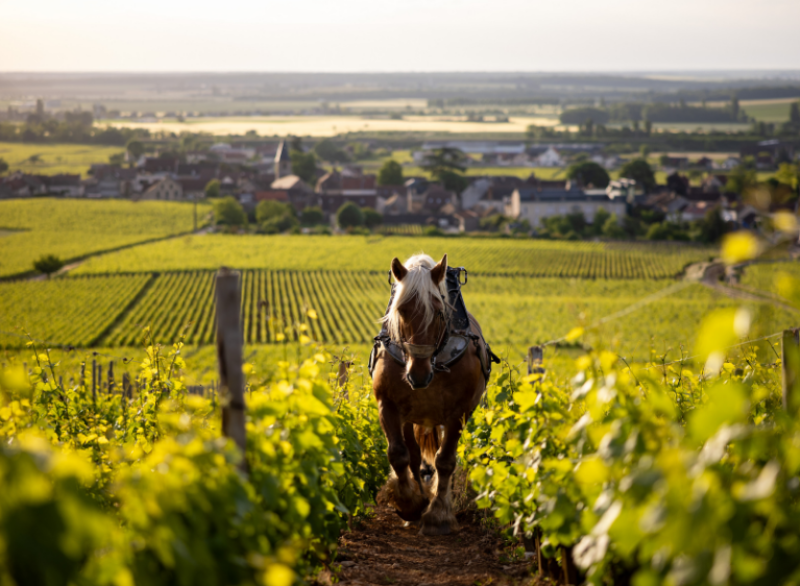
In Bordeaux, an appellation and château name often give a fairly clear sense of what to expect. Burgundy is more delicate. Because vineyards are split between many owners, two producers can make wine from the same named vineyard with hugely different results.
This is especially obvious in large Grands Crus such as Clos de Vougeot or Echezeaux, where many domaines own parcels. The name of the vineyard tells you the place. The name of the producer tells you how that place has been interpreted.
Farming, vine age, picking date, sorting, whole-bunch use, extraction, oak choices and cellar work all matter. In Burgundy, producer reputation can carry as much weight as appellation status, sometimes more.
Burgundy for collectors, investors and wine lovers
Burgundy has become one of the most sought-after fine wine regions in the world. The reasons are clear. Production is small, top vineyards are tiny, demand is global and the best wines can age beautifully.
Yet Burgundy is not only about rare Grands Crus. Some of the most enjoyable drinking can come from village wines, Premier Crus, regional bottlings from top producers, or less famous appellations such as Marsannay, Saint-Aubin, Santenay, Rully, Givry and the Mâconnais.
For collectors and investors, the challenge is scarcity. The most famous domaines produce extremely limited quantities, and prices can rise quickly when reputation, vintage quality and market demand align. For wine lovers, the challenge is patience and curiosity. Burgundy rewards those who learn producers, follow lesser-known villages and taste across different levels.
The variety of Burgundy wine styles
Burgundy’s reputation rests on Pinot Noir and Chardonnay, but the region is far from simple. Chablis gives Chardonnay its cool, mineral northern voice. The Côte de Nuits shows Pinot Noir at its most perfumed, structured and age-worthy. The Côte de Beaune moves between graceful reds and some of the world’s finest whites. The Côte Chalonnaise offers value, freshness and character. The Mâconnais brings a warmer, more generous expression of Chardonnay, now with increasing recognition for its best sites.
The beauty of Burgundy is that it never quite stands still in the glass. A village, a vineyard, a vintage and a producer all leave their mark. That is what makes the region difficult, but it is also what makes it so rewarding. Once the names begin to make sense, Burgundy becomes less intimidating and far more enjoyable: a region of small places, big reputations and wines that can be as moving as they are complex.
Why Burgundy rewards curiosity
Burgundy is not the easiest wine region to learn, but that is part of its appeal. Its structure asks more from the reader than many regions do. You need to understand the difference between a regional appellation and a village wine, between a Premier Cru climat and a Grand Cru, and between the name of a vineyard and the hand of the producer behind it. Once those pieces fall into place, Burgundy becomes far less intimidating.
What makes the region so rewarding is the way its complexity leads to discovery. The famous names will always command attention, from Romanée-Conti and Chambertin to Montrachet and Musigny, but Burgundy’s story is much wider than its rarest bottles. There is character to be found in Chablis, charm in the Côte Chalonnaise, freshness in Saint-Aubin, generosity in the Mâconnais and serious value in villages that sit just outside the brightest spotlight.
For collectors, Burgundy offers scarcity, history and global demand. For wine lovers, it offers detail, individuality and a lifetime of learning. Its vineyards are small, its production is limited and its labels can take time to understand, yet few regions connect place, producer and vintage with such precision.
That is the lasting appeal of Burgundy. It is a region of tiny plots and immense reputations, where a single village can contain dozens of distinct identities and a single vineyard can be interpreted in many different ways. Learn the appellations, follow the domaines, and then Burgundy becomes what it has always been at its best: a region that rewards patience, curiosity and a genuine love of wine.