Porto and the Changing Face of Port

Sweet, fortified wine has rarely been less fashionable. A weekend crossing between the Port lodges of Gaia and the wine bars of Porto suggests that the category is not so much in decline as it is deciding what it wants to be going forward.
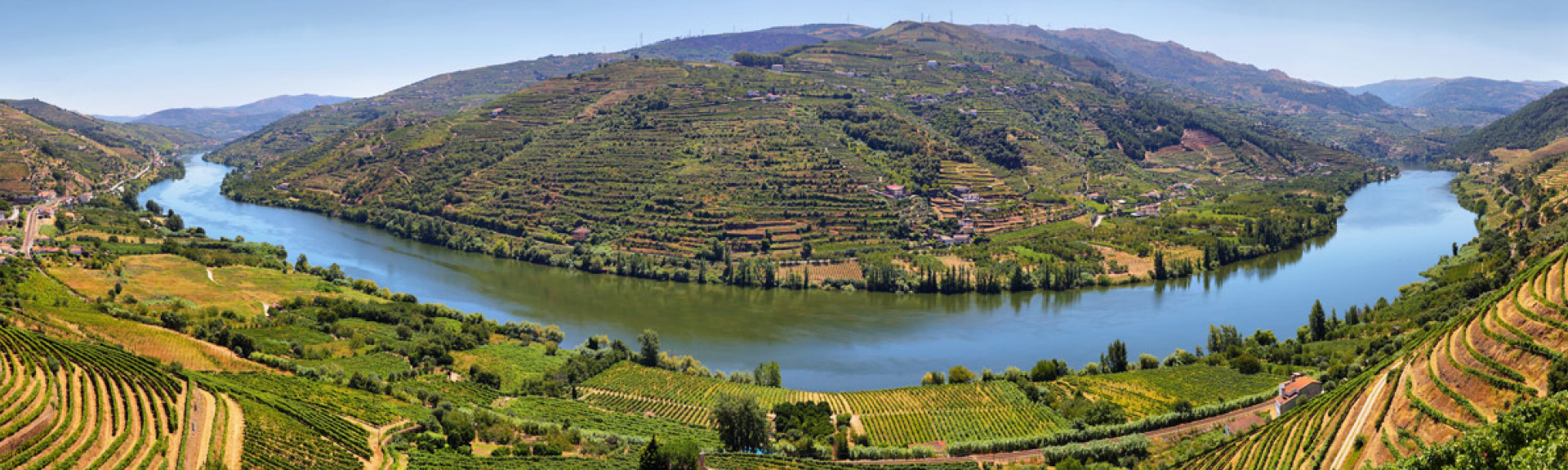
Arriving in Porto, there is a temptation to treat the place as something akin to a museum of Port, and many of the Port houses do little to discourage it. Yet spend a weekend moving between the two banks of the Douro, from the lodges of Vila Nova de Gaia to the wine bars of the old town across the water, and a more interesting question presents itself: not what Port was, but what it is becoming, at a time when the sweet, high-strength wines it built its name on have rarely been less in favour.
Inside the Port lodges
You get a sense of that history at Cockburn's, where a team of in-house coopers still repairs the house's casks by hand. Visit on a weekday, and you can watch them at work, a reminder that behind the grand lodges and venerable vintages, Port remains a working trade. The wine was carried down the Douro to be aged in Gaia and sold abroad, and the cellars, the craft and the stocks laid down over decades are still a part of Port in a way that is difficult to replicate elsewhere.
The other great houses draw on the same history, each in its own way, and a weekend leaves time for two or three. Taylor's is a grand old house climbing the hillside above the river, family-run for centuries, with a tour and terrace that repay the walk up. Graham's, beautifully restored by the Symington family, sits higher still and pours some of the most serious Vintage Port in Gaia. Ferreira, founded in 1751, has its own place in the story as one of the great Portuguese names, closely associated with Dona Antónia Adelaide Ferreira, who ran it for much of the nineteenth century and helped shape the modern Douro.
Kopke is a somewhat different experience. It is the oldest Port house, founded in 1638, and it works out of a small building on Avenida Diogo Leite: a shop at street level, tasting rooms tucked above. Go early and angle for a window seat upstairs, where you look straight across the Douro to Porto. The house made its name on aged tawnies, above all the colheitas, single-vintage wines held for years in cask and bottled ready to pour. No cellaring required. Spend an afternoon working through a flight of them; the youngest remain comparatively bright and fresh, the oldest deeply rich and nutty after decades of ageing.
A different way to drink Port
Step back onto the terraces outside the lodges, though, and Port looks rather different. What most people are holding is almost never a Vintage Port. More often it is white Port and tonic, long and cold with a wedge of citrus, an aperitif rather than a digestif and closer in spirit to a spritz than to anything drunk after dinner a generation ago. Rosé Ports, pioneered by Croft Pink and followed by others, head in the same direction. It would be easy to dismiss both as marketing. But they answer a genuine question: how does fortified wine find a place for itself when after-dinner drinks are becoming increasingly rare.
Across the river
Some of the answer lies across the river. Cross the Dom Luís I Bridge into Porto and Port itself begins to recede. In the wine bars scattered through Ribeira, Baixa and Cedofeita, it is often a minor presence. The lists lean instead towards Portuguese still wines, with indigenous varieties and smaller producers well represented. Wine Quay Bar, down on the riverfront with the bridge framed in the window, is the strongest recommendation of the lot, with a by-the-glass list to match its setting. Prova and Dogma push further into low-intervention wines. Spend an evening in these bars and the change in drinking habits becomes hard to miss.
The Port houses have noticed it too. Ferreira has a sister estate in Casa Ferreirinha, whose Barca Velha is one of Portugal's most celebrated dry reds, made only in the years considered worthy of it. It is far from alone. Much of the Douro's recent energy, from Niepoort to Quinta do Vale Meão and Chryseia, has gone into still wine. Some of Port's future, in other words, may lie in what its producers make when they are not making Port at all.
Beyond the wine
But a trip to Porto shouldn't revolve purely around wine. After a day in the lodges, give your palate a break and head up to the Jardim do Morro, the hillside garden at the Gaia end of the bridge and one of the best places in the city to watch the sun go down. As dusk approaches, find a patch of grass and watch the lights come on across Porto, with the Douro and the roofs of the Port lodges below. Bring your own drink if you wish. It needn't be Port.
Perhaps that is the point. The rich, dark, age-worthy styles on which Port made its name are not going anywhere, and an audience remains willing to cellar and drink them. But they no longer have to be the sole focus. White Port and tonic offers something lighter and more immediate; rosé finds another kind of drinker altogether; and the continually growing confidence of the Douro's still wines gives the region an identity beyond fortified wine. None replaces what came before, but they hint that this region is increasingly embracing the idea that its future might look quite different from its past.

Related Articles
A Journey Through Burgundy: Four days on the Côte d’Or
By Tom Turner
Georgia: The Ancient Homeland of Wine
By Jessie Wu