What Is En Primeur? A Brief History of Bordeaux’s Wine Futures System
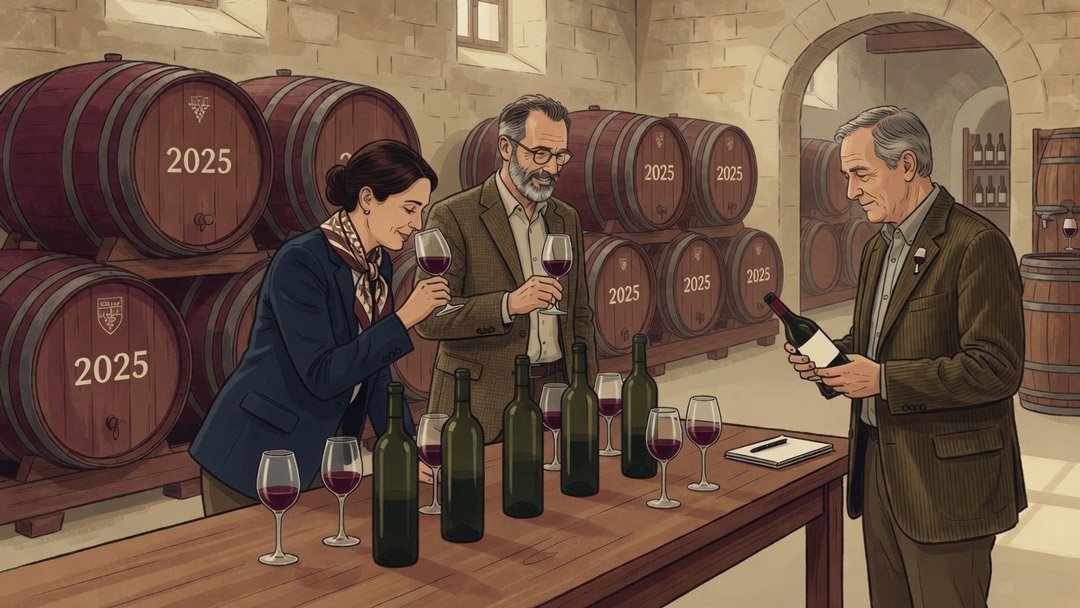
Each spring, Bordeaux asks the wine world to do something that would sound faintly mad in almost any other luxury market. Taste unfinished wines from barrel, make a judgement on their future, then decide whether to buy them before they are bottled.
And yet En Primeur endures.
For some, it is one of the most distinctive rituals in fine wine, a system built on trust, timing, access and judgement. For others, it is a relic that only works when prices are sensible and buyers feel they are being rewarded for acting early. Both views contain some truth. Bordeaux En Primeur has always been shaped by tension between commerce and conviction, between tradition and reinvention.
As the 2025 vintage comes under the spotlight in spring 2026, that tension feels especially relevant. The wines look promising. Volumes, by most accounts, are tight. Buyers are more informed than ever. Merchants can benchmark release prices against back vintages in seconds. Critics still matter, but no single voice controls the narrative in the way it once did. The old machinery is still in place, but the people using it have changed.
To understand why En Primeur still matters, and why each new campaign is treated as a test of Bordeaux itself, it helps to go back to the beginning. The system was not invented in one clean moment. It was built slowly, through trade, necessity, reputation and habit.
What is En Primeur?
At its simplest, En Primeur is the sale of wine before bottling. Buyers commit to a wine while it is still maturing in barrel, usually in the spring following the harvest, and receive the physical wine much later. It is often described as wine futures, which is a useful shorthand, though Bordeaux gives the system its own structure, language and rituals.
The idea is straightforward. Chateaux gain early cash flow and a read on market sentiment. Merchants gain access to stock before it is released more widely. Buyers gain the chance to secure sought-after wines early, sometimes at an attractive opening price.
In practice, it is rather more complicated than that. Bordeaux En Primeur runs through the Place de Bordeaux, the region's long-established network of courtiers and negociants. Estates release wines through this trade structure, merchants offer them to clients around the world, and the campaign unfolds over a series of tastings, scores, price announcements and rapid market reactions.
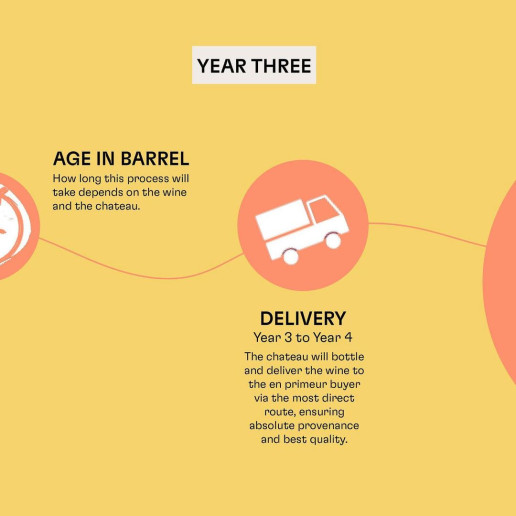
For the buyer, this usually means reserving wine while it is still in barrel, with the wine then bottled and delivered later, commonly around two years after the harvest, sometimes longer depending on the estate and onward logistics. Purchases are typically made in bond, with duty and VAT only becoming relevant if the wine is later taken into physical delivery.
Although Bordeaux remains the region most strongly associated with En Primeur, versions of the model exist elsewhere as well. Elements of it appear in Burgundy, the Rhone, Port and, more selectively, in parts of the New World. None, however, has developed the same scale, global attention or formal annual rhythm as Bordeaux.
At its best, En Primeur offers clarity. A strong wine at the right price can look compelling from the outset. At its worst, it asks buyers to take on time, storage and opportunity cost for little obvious reward. That tension is not new. It is woven into the system's history.
How does it work?
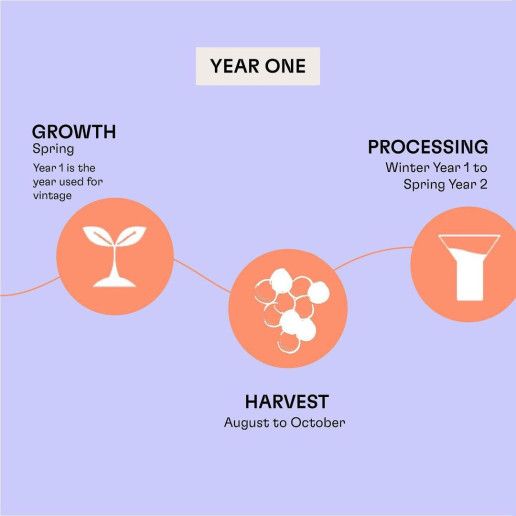
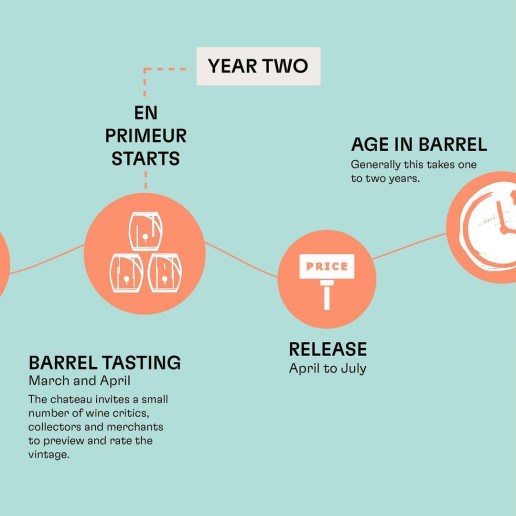
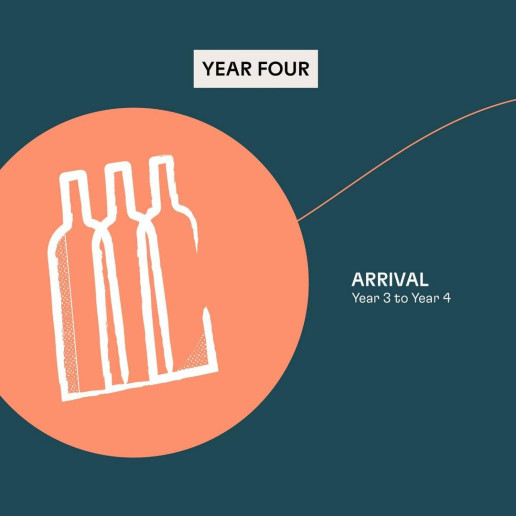
From harvest, the wine you buy during En Primeur can take up to 2-3 years to be bottled... great things come to those who wait.
Fine Wine Investment Guide
Download your guide to fine wine investing and discover how this unique, tangible, and tax-efficient asset can enhance portfolio diversification. Gain valuable knowledge and insights with this indispensable document for investors.
Before Bordeaux Made it Famous
Although Bordeaux is the region most closely associated with En Primeur, the underlying idea is far older than the modern campaign. Versions of forward buying existed long before journalists started filing barrel reports from the Medoc.
Wine has always had a timing problem. It takes land, labour, weather, transport and patience, yet the people growing it often need money long before the finished product can be sold. That gap encouraged early forms of advance purchase. Merchants would finance harvests, transport or storage in exchange for future access to the wine. The label En Primeur did not yet exist, but the commercial logic certainly did.
The roots of Bordeaux's dominance lie in geography as much as viticulture. The city sits on a major trading artery, close to the Gironde estuary and with access to Atlantic shipping routes. Once those routes connected Bordeaux reliably to northern Europe, the region had a powerful advantage. It was easier to move large volumes of wine from Bordeaux than from many inland regions, and commerce shaped the region's identity from an early stage.
Medieval Trade, Claret and the First Forms of Advance Sale
By the 12th century, Bordeaux was already becoming a serious force in the wine trade. The marriage of Eleanor of Aquitaine to Henry II of England in 1152 gave Bordeaux privileged access to English markets and helped establish the commercial relationship that would define the region for centuries.
This was the era of claret, though not in the sense most drinkers mean today. The wines exported from Bordeaux were generally paler, lighter and younger than the wines the region later became known for. They were shipped in volume, traded briskly and consumed relatively early.
Even then, merchants did not always wait for a finished, bottled product. Advance agreements existed between growers, shippers and traders. The details varied, but the principle was familiar enough. Commit early, secure supply, shoulder some of the risk and benefit if demand holds up.
En Primeur did not emerge from nowhere. It grew from a city that had long treated wine as both an agricultural product and a commercial asset. Bordeaux was never simply a place where wine was made. It was a place where wine was moved, financed, negotiated and exported.
The Rise of the Negociants
No history of En Primeur makes much sense without the negociants. Their importance in Bordeaux is difficult to overstate.
The negociant houses developed as intermediaries between producers and the wider market. They bought wine, stored it, moved it, marketed it and distributed it. Courtiers acted as brokers, smoothing the relationship between estate and merchant. Over time, this became one of the defining structures of Bordeaux.
In practical terms, the system solved several problems at once. Estates did not need to build their own global sales networks. Merchants could aggregate supply and reach customers in multiple countries. Risk was spread across the trade rather than sitting entirely with the producer.
This structure also encouraged earlier commitments. If a merchant believed a property had quality, reputation and resale potential, it made sense to secure access before the wine was ready. That is one of the clearest lines connecting older Bordeaux trade to the modern En Primeur campaign.
Reputation, Classification and the 19th Century
The 18th and 19th centuries gave Bordeaux something that transformed the economics of buying early: named reputations.
As estates began to build stronger identities, buyers were no longer purchasing anonymous regional wine. They were buying Lafite, Latour, Margaux and Haut-Brion. Reputation turned forward buying from a practical commercial arrangement into something closer to a prestige play.
The most famous landmark came in 1855, when Napoleon III requested a classification of leading Bordeaux wines for the Exposition Universelle in Paris. The resulting 1855 Classification ranked the top wines of the Medoc, along with Haut-Brion from Graves and the leading sweet wines of Sauternes and Barsac, largely according to market price and standing.
The classification was meant as a snapshot, but it became something far more durable. It codified prestige in a way that the market could understand instantly. Once a wine had recognised status, buying it early felt less speculative. Not safe, certainly, but easier to justify.
That same century also saw Bordeaux become more brand-conscious. The best estates were no longer just producing wine. They were producing identity. In that environment, advance sales became more attractive because the name on the cask already carried weight.
From Necessity to System After the Second World War
The truly modern version of En Primeur, however, belongs to the period after the Second World War.
Bordeaux emerged from the first half of the 20th century bruised by conflict, economic disruption and agricultural hardship. Many estates needed cash, and the trade needed a practical way to keep wine moving. Early sales offered exactly that.
In the 1950s and 1960s, the region began to rebuild with greater confidence. Chateau bottling became more established, quality control improved, and estates started to exert more control over their image. At the same time, the barrel ageing period created a natural window in which wines could be sold before final release.
This was when En Primeur began to look like a recognisable system rather than a loose habit. The annual rhythm became clearer. The relationship between producers, courtiers, negociants and merchants became more formalised. The commercial purpose remained obvious. Chateaux needed working capital. Merchants needed stock. Buyers needed access.
For a long time, that arrangement suited almost everyone.
The 1970s, 1980s and the Making of a Spectacle
By the 1970s and 1980s, En Primeur had become more than a financing tool. It was turning into a stage.
Global interest in fine wine was growing. Wine writing carried more influence. International buyers were paying closer attention to Bordeaux. Tastings of barrel samples became more routine and more visible. The annual campaign developed a new kind of theatre, part trade fair, part endurance test, part pricing drama.
The 1982 vintage was one of the defining turning points. It combined quality and scale, and it arrived at a moment when Bordeaux was ready to attract a broader, wealthier and more international audience. Those who bought well during the 1982 campaign were later rewarded handsomely, and the vintage helped cement the idea that En Primeur could be financially rewarding as well as culturally important.
It also helped elevate the power of critics.
The Parker Years and the Score-driven Market
No discussion of modern En Primeur can avoid Robert Parker.
Parker's advocacy for the 1982 vintage helped reshape the market. His scores became powerful signals for merchants and buyers, particularly in the United States. A high score could move stock almost immediately. A middling one could slow a campaign just as quickly.
For a period, Parker did not merely influence En Primeur. He helped define it. Estates understood the commercial significance of his view. Merchants quoted him relentlessly. Buyers waited for his numbers. The relationship between critical opinion and price tightened dramatically.
That influence had mixed consequences. On one hand, Parker gave consumers a sense of confidence in a market that depended on unfinished wines and future delivery. On the other, his prominence encouraged a narrower focus on scores, and in some cases pushed estates towards styles thought likely to impress major critics.
Still, the Parker era showed just how much power a trusted external voice could have in a futures market. In Bordeaux, reputation has always mattered. Parker turned that principle into something immediate and measurable.
The Boom Years and the Backlash
If the 1980s and 1990s gave En Primeur glamour, the 2000s gave it scale.
The 2000 vintage arrived with all the symbolism of a new century, and enthusiasm was strong. Then came 2005, widely praised as a great Bordeaux year. The real fever, though, built around 2009 and 2010. Those two vintages were celebrated across the board, release prices climbed sharply, and new global buyers entered the market with serious spending power.
For a while, En Primeur looked unstoppable. Bordeaux futures were discussed not only as wines to drink but as assets to hold. Top names surged in price. Allocations became harder to secure. The campaign grew louder, grander and more competitive.
Then reality caught up.
Many buyers who entered at the height of the market discovered that not every celebrated release leaves room for appreciation. If release prices are already too ambitious, the upside can disappear before the wine is even bottled. By the early 2010s, it was clear that great reviews alone were not enough. Price discipline mattered.
That lesson has never gone away. If anything, it has become the central truth of modern En Primeur.
Why the 2010s Changed Buyer Behaviour
Through the 2010s, buyers became more selective and less sentimental.
The growth of digital price transparency changed the game. Merchants and collectors could compare a new release against bottled back vintages in real time. They could see whether a much-praised young wine was actually being offered below, at or above mature alternatives already sitting in bond.
That made lazy pricing harder to disguise.
It also changed what buyers wanted from merchants. Access still mattered, but so did analysis. A merchant could no longer rely on reputation alone. Clients wanted context. They wanted to know whether a wine was genuinely attractive relative to older vintages, where critic consensus sat, how liquid the market was, and whether scarcity really meant scarcity.
This did not kill En Primeur. It simply stripped away some of the old mystique.
When Top Estates Step Back
The most dramatic challenge to the traditional model came in 2012, when Chateau Latour announced it would no longer release its grand vin through En Primeur.
That decision was seismic because Latour was not a fringe player testing a clever side route. It was one of Bordeaux's First Growths stepping away from one of the region's defining institutions.
Latour's logic was straightforward. By holding wine back and releasing it later from the estate, it could offer mature stock with full control over provenance, timing and price. It no longer needed to rely on the market making its judgement from barrel.
Latour did not destroy En Primeur, but it proved something important. Participation was no longer automatic, even at the very top. Other estates have experimented with delayed releases, different allocation strategies or greater flexibility in how and when they come to market.
That does not mean the system is collapsing. It means the old model is no longer beyond question.
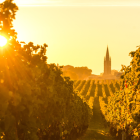
Bordeaux 2025: Quality Returns. The Price Has Yet to Follow.
By Aarash Ghatineh
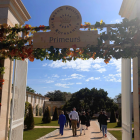
Day 1 - Bordeaux EP 2025: Pauillac & Saint-Estèphe
By Sean Wright
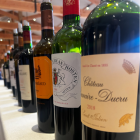
Day 2 - Bordeaux EP 2025: Pessac-Léognan, Margaux & Saint-Julien
By Hermione Egerton-Smith
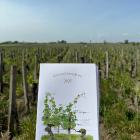
Day 3 - Bordeaux EP 2025: Saint-Émilion
By Sean Wright
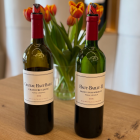
Day 4 - Bordeaux EP 2025: Pomerol & Pessac-Léognan
By Hermione Egerton-Smith
What En Primeur Looks Like Today
For all the talk of data and pricing models, En Primeur remains a deeply physical event.
Each spring, critics, merchants and trade professionals descend on Bordeaux to taste the new vintage in unfinished form. Samples are poured in chateaux, consultant labs, negociant offices and organised tastings across the region. Notes are compared. Palates are tested. Impressions harden into consensus, or fail to.
There is still real theatre to it. One conversation in a tasting room can set the tone for a wine's reception. One strong first flight can sharpen expectations for the afternoon. One hesitant critical reaction can ripple through the trade before dinner.
But the current version of En Primeur is also more measured than it once was. Critics publish more nuance. Merchants interrogate release prices more aggressively. Buyers have more tools and more memory. The campaign still creates excitement, but it no longer commands blind faith.
The Economics are Now Brutally Simple
For all its history and pageantry, the modern En Primeur market rests on a simple question: why should a buyer commit now?
The answer used to be easier. Early access, strong estates, rising prices. In some vintages, that was enough.
Today, the buyer must usually be offered at least one of four things. Clear value against back vintages. Genuine scarcity. A strong likelihood of future demand. Or a personal reason to want that wine before anyone else.
There are still practical attractions. En Primeur can provide access to wines that become harder to source once bottled, especially in strong vintages or from tightly allocated estates. It can offer a sharper opening price than the eventual market level, though that is never guaranteed. It can also offer stronger provenance, because the wine is being bought at first release through the official trade chain rather than picked up later on the secondary market. In some cases, buyers may also be able to secure formats such as magnums or larger bottles that are less easy to source further down the line.
If none of those advantages are present, the case becomes much harder.
This is why pricing has become the decisive issue in recent campaigns. Buyers are being asked to pay early, wait for delivery and tie up capital in an uncertain market. If bottled vintages of similar quality are already available at competitive levels, En Primeur starts to look like an unnecessary leap of faith.
When Bordeaux gets pricing right, the system still works. When it does not, the market notices quickly.
The Bordeaux 2025 Vintage
Early reports suggest a year defined by heat, drought, small berries and low yields, yet also by freshness, concentration and more restraint than the weather might lead one to expect. In other words, this does not look like a one-note solar vintage. It looks, potentially, like a campaign with real quality behind it.
That matters, but it is only part of the story.
The market that will judge these wines is far less forgiving than the one that greeted Bordeaux's biggest boom years. Buyers know what happened when release prices ran ahead of reality. They have lived through campaigns where quality was strong, but enthusiasm was dulled by the sheer weight of stock or by prices that gave them no reason to act. They can compare the 2025s against physical wines from recent and mature vintages almost instantly.
So the 2025 campaign carries symbolic weight. It is a chance for Bordeaux to show that En Primeur still has a clear purpose in a transparent market. If the wines are good and the pricing is sensible, confidence can return quickly. If not, criticism of the system will only grow louder.
That does not make 2025 a referendum on whether En Primeur should exist at all. Bordeaux is too large, too influential and too commercially organised for that. But it does make this campaign a useful measure of how well the region understands the modern buyer.
A Tradition That Survives by Adapting
The easiest way to misunderstand En Primeur is to treat it as either untouchable tradition or obvious anachronism. It is neither.
It has survived because it has been useful. First to merchants, then to chateaux, then to critics, investors, collectors and global buyers. At times it has been a lifeline. At times a spectacle. At times a very efficient distribution model. At times a source of frustration.
But it has never stood still.
Bordeaux En Primeur began in the logic of trade, grew through the power of reputation, hardened into system after the war, became global under the critic era and is now being tested in a marketplace shaped by transparency and caution. The names, the tasting rooms and the rituals remain familiar. The expectations do not.
That is why the history still matters. En Primeur is not just a story about buying wine early. It is a story about how Bordeaux learned to sell belief, then had to keep earning it.
And that is what the 2025 vintage will ask of the region in 2026. Not simply to present attractive wines, but to prove that early commitment still deserves a reward.
Key Advantages of Buying En Primeur Wine
Buying wine En Primeur offers several advantages and opportunities for buyers, making it an attractive option for wine enthusiasts and investors alike.
1 Access to limited releases
En primeur allows you to secure some of the most sought-after wines before they are bottled and released to the market. This ensures you are able to get your hands on highly desirable vintages which are more challenging and expensive to purchase once on the open market.
2 Potential discounts
Purchasing wines En Primeur can bring a price advantage over waiting to buy the bottles once they're released 2 years later.
3 Capital appreciation
As the supply of a specific vintage dwindles over time, its value may increase due to scarcity, allowing investors to potentially sell their En Primeur wines at a profit.
4 Guaranteed provenance
Buying En Primeur wines ensures the highest quality and authenticity, as they are purchased directly from the winery, ensuring optimal storage and handling conditions.
5 Customisation options
Depending on the Chateaux, investors may be able to specify the format of the wine (e.g., bottle, magnum, or larger sizes), which might not be available upon general release.